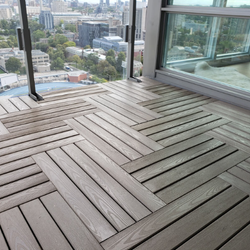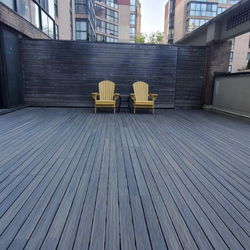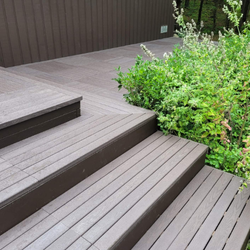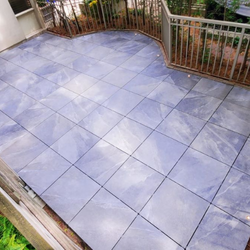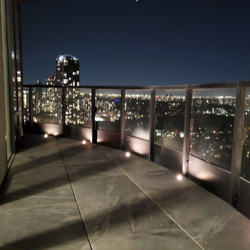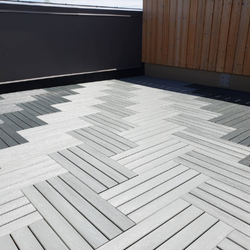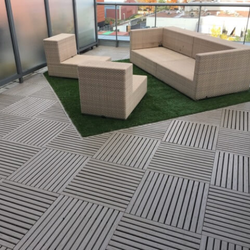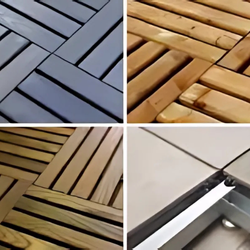
Would you like to browse our deck tile products and accessories?
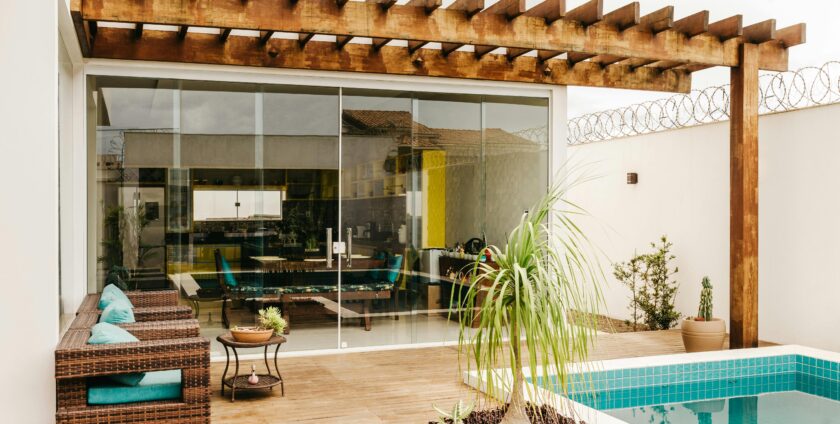
Thinking of setting up a pergola for shade and organizing parties in your backyard? A composite wood pergola from Designer Deck is one of the most effective ways to enhance your outdoor living space. It is a structure which consists of vertical posts or columns made of wood, steel or other metal. These columns support a roof-life framework of beams and rafters. Unlike a packed roof, a pergola’s top is usually open or covered with slats or lattice, allowing partial shade and air circulation. Earlier traditional wood pergolas look great, but they needed frequent maintenance to prevent rotting or fading.
That is why nowadays homeowners choose composite wood. This wood is a man-made material created by combining wood fibers or sawdust with plastic resins and binding agents. Commonly, it is also known as wood-plastic composite(WPC). It is a strong, durable material which mimics the look of natural wood but requires far less maintenance. Let’s further explore DIY ideas to build a composite wood pergola for shade in your open space.
1. Plan Your Pergola Layout
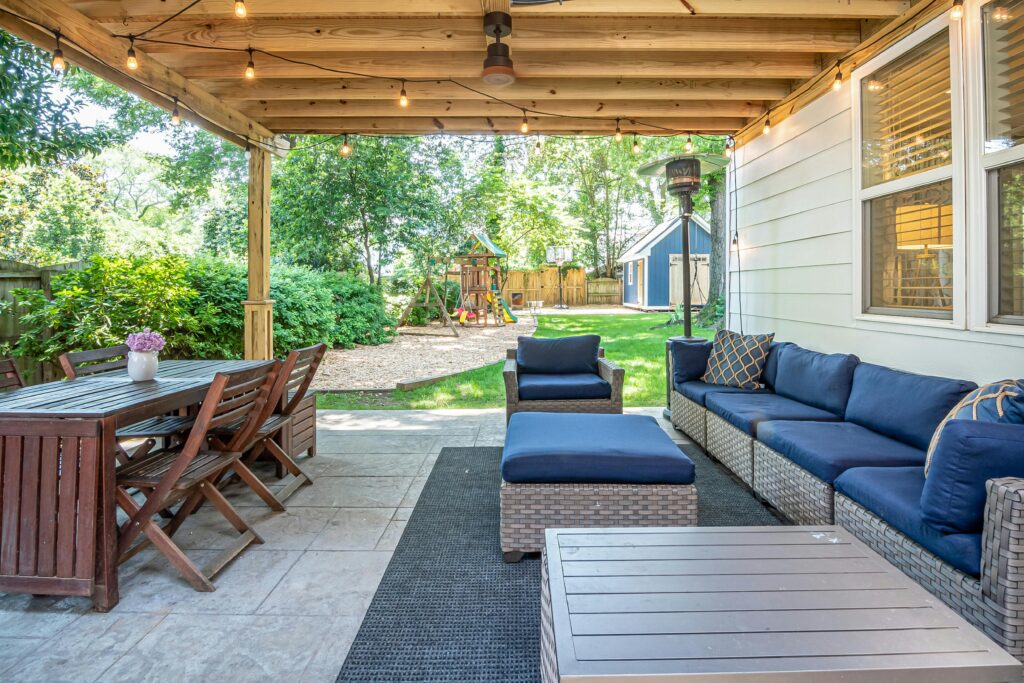
Before starting construction, measure your outdoor space carefully and choose the right spot for the pergola. It can either be attached to your home or built as a freestanding structure in the yard. A well-placed pergola can add shade to a patio, highlight a garden path, create a cozy corner for dining, or even cover a hot tub for a stylish retreat.
Pick a location that gets partial sunlight, as this helps maintain a comfortable balance between shade and warmth. Use stakes and string to mark the footprint so you can clearly see how it will fit within your backyard. While most pergolas are designed in square or rectangular shapes, you can adjust the layout to match your space and style.
Also, check local building codes and any homeowner association (HOA) rules. In some cases, a permit may be needed, especially for larger pergolas or those attached to the house.
2. Gather Materials and Tools
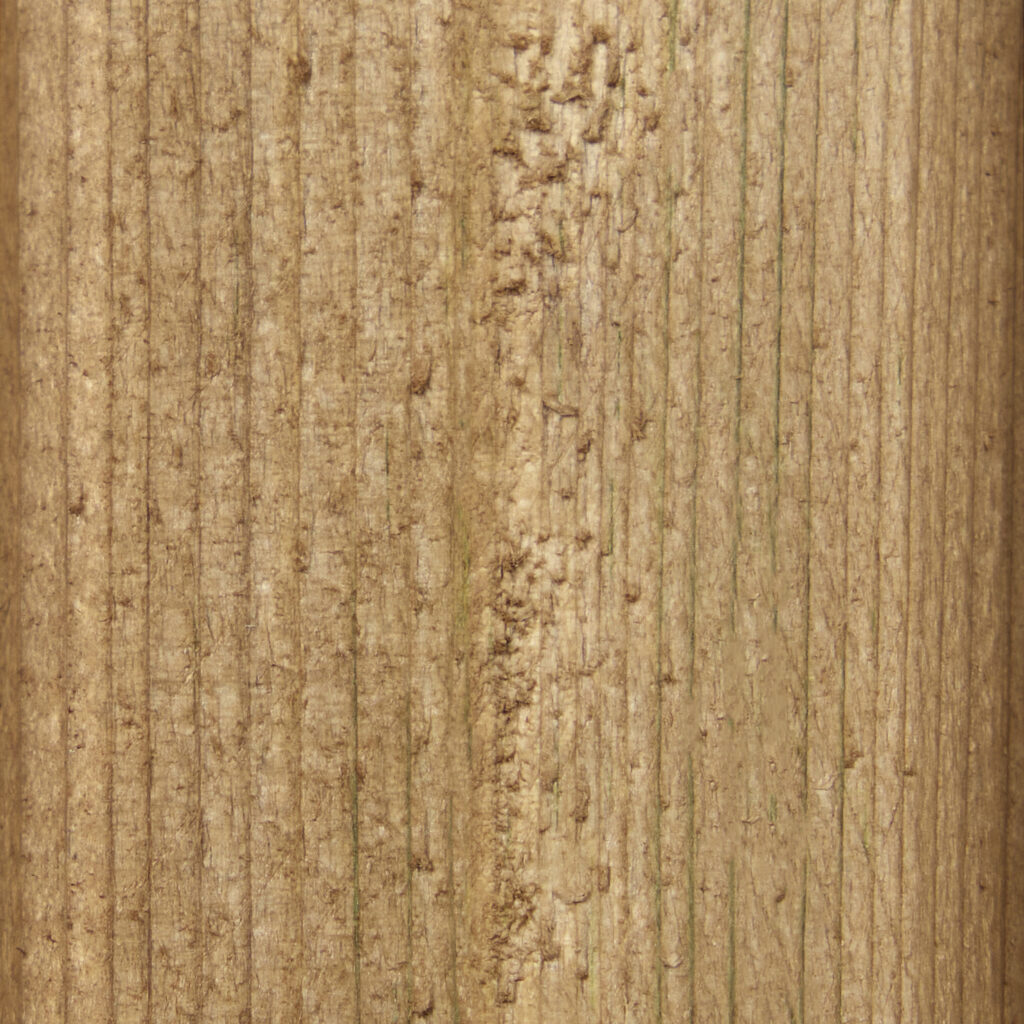
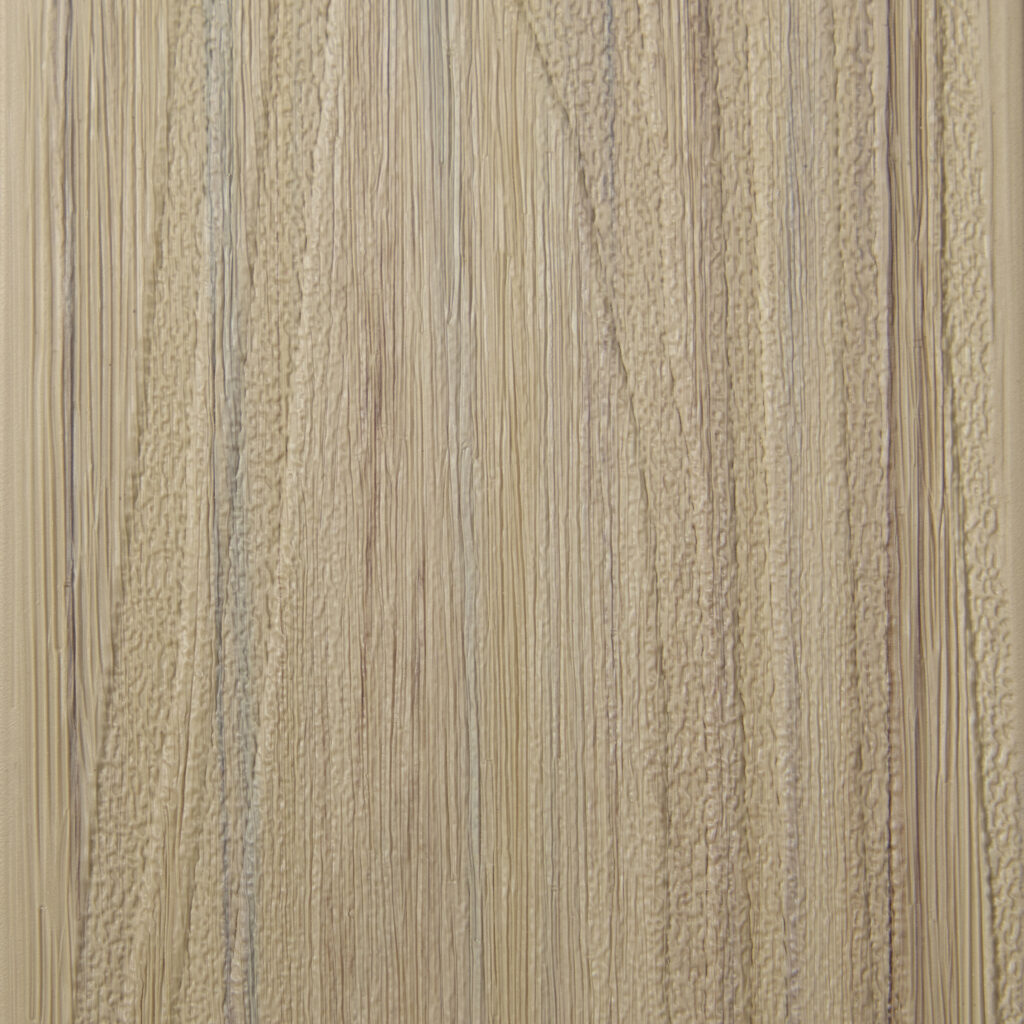
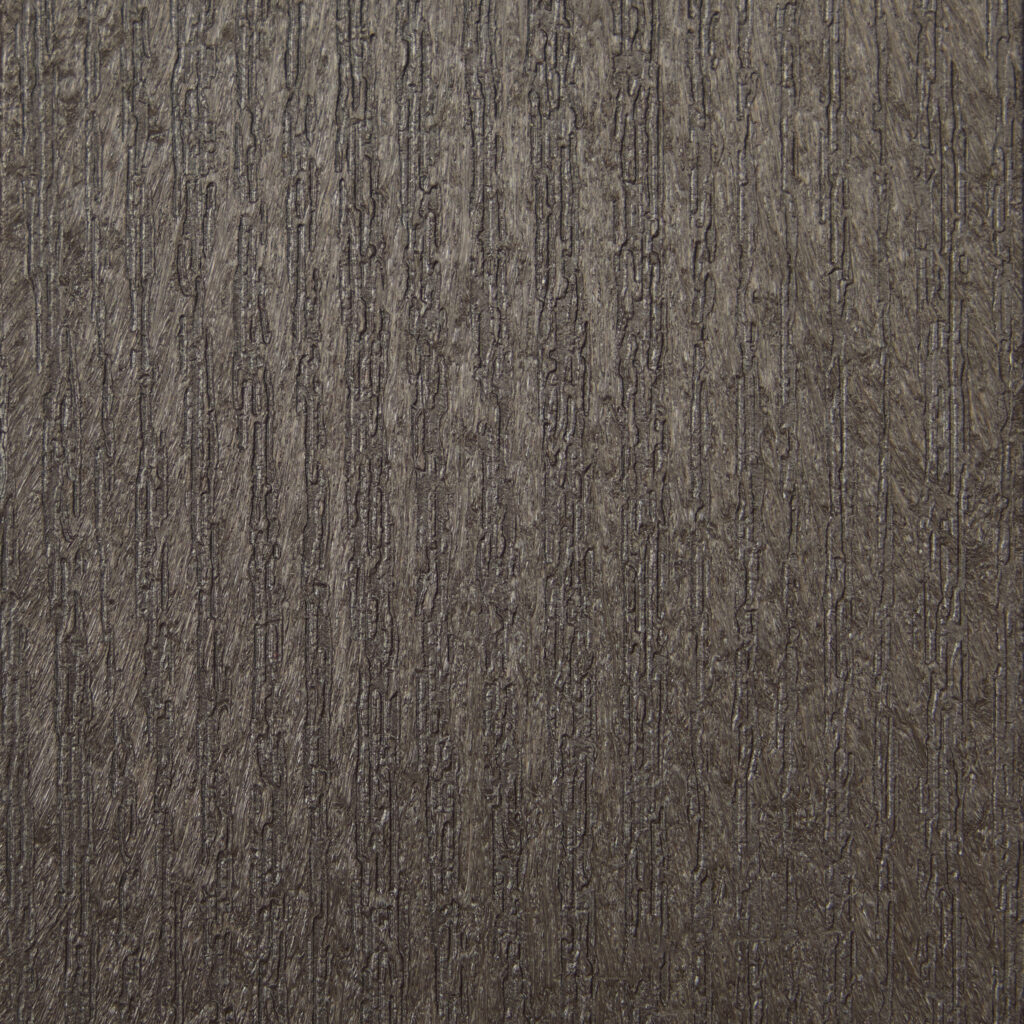
Composite wood is one of the best options for building a pergola. It is strong, easy to maintain, and comes in a range of shades like brown, grey, and natural wood tones. You can pick the finish that matches your outdoor style. For fasteners, go with rust-resistant brackets, screws, and anchors so the structure stays sturdy and safe in all weather.
Here are the basic materials you will need:
- Composite wood beams for posts, rafters, and crossbeams
- Concrete mix to keep the posts secure in the ground
- Metal post anchors or footings
- Outdoor-rated deck screws and bolts
- Tools such as a level, tape measure, drill, saw, and wrench
If you want more shade, you can add lattice panels or a shade cloth on top. Also, by choosing the right materials from the start makes the whole process easier and helps your pergola look great for years.
3. Set the Foundation
Once you have gathered your materials, it is time to start building the pergola. Begin by digging holes for the vertical support posts. If your pergola is freestanding, you likely need four corner posts. For larger structures, additional posts will offer more stability.
- Dig holes around 2 feet deep (depending on frost line in your area)
- Pour in a concrete base for each post and insert metal post anchors
- Allow the concrete to set completely before moving on
If you are installing the pergola over a concrete patio or deck, you can secure the posts using surface-mount brackets instead.
4. Install Vertical Posts
After the anchors are secured, place the composite wood posts into the brackets. Use a level to check that each post stands perfectly upright before tightening the fasteners. These posts act as the main support of your pergola, so they must be strong, steady, and well-aligned.
It is helpful to have someone with you during this step. While you fasten the posts, the second person can hold them, which makes the work easier and adds an extra layer of safety.
5. Add Crossbeams and Rafters
Next, install the main horizontal beams that connect the top of the vertical posts. These crossbeams give your pergola its rectangular shape and provide support for the rafters. Use a drill and heavy-duty outdoor bolts to fasten the beams securely to the tops of the posts. After the main beams are in place, lay the rafters across the top to form the open roof structure. Space them evenly depending on how much sunlight or shade you prefer. For added visual interest and stability, you can angle the ends of your rafters or add decorative cuts to the edges.
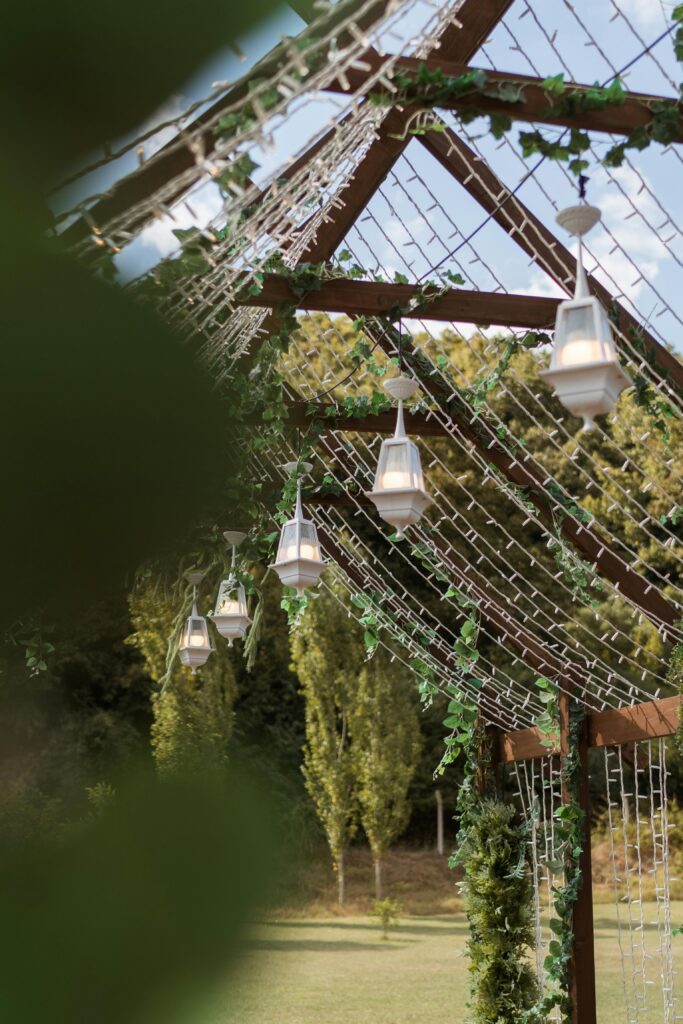
6. Customize with Shade and Decor
One of the best things about composite wood pergola is that they look stylish even without extra additions. However, you can add a few creative touches to truly personalize your space.
Here are some easy DIY ideas to decorate your pergola:
- Add shade panels or extra slats on top for better sun protection
- Hang string lights or solar lanterns for evening ambiance
- Drape outdoor curtains for privacy
- Grow climbing plants like clematis or wisteria if you like greenery
- Place hanging planters such as brackets or ceramic pots from the rafters
- Use the pergola as a frame for a canopy or retractable shade
Composite wood is ideal for these additions, as it is strong and does not warp, crack or split like real wood when exposed to moisture or extra weight.
Maintenance Tips for Composite Pergolas
Maintaining a composite pergola is simple and requires very little effort. By following a few basic steps, you can keep it in great condition and ensure it lasts for many years.
- Clean it twice a year using mild soap and water with a soft brush
- Avoid harsh chemicals or pressure washers, which could damage the surface
- Check metal components annually for signs of rust or loosening
- Touch up with composite-friendly sealants if needed, especially at cut ends
With proper installation and regular care, a composite wood pergola can last 20–30 years or more. Thus, making it a long-term investment for your outdoor space.
Final Thoughts
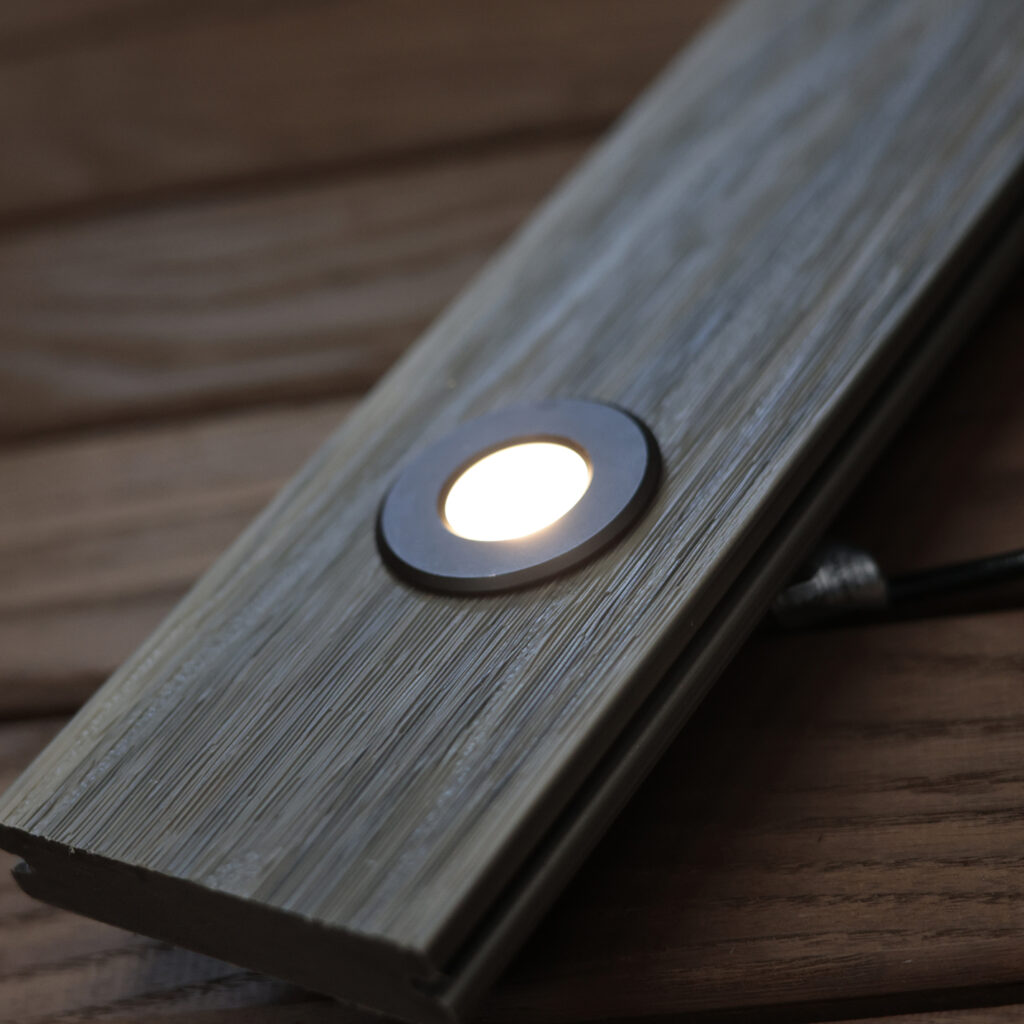
Designer Deck makes it easy to turn any outdoor space into a visually appealing and stylish area. With options like natural deck tiles, composite wood, porcelain tiles, and ambient lighting, you can design a space that is both functional and inviting. Also perfect for relaxing, entertaining, or spending time with family and friends. By using the right quality materials, you can ensure your outdoor space remains durable, low-maintenance, and attractive for years to come. For more custom designs and ideas, visit us to explore how Designer Deck can bring your vision to life.