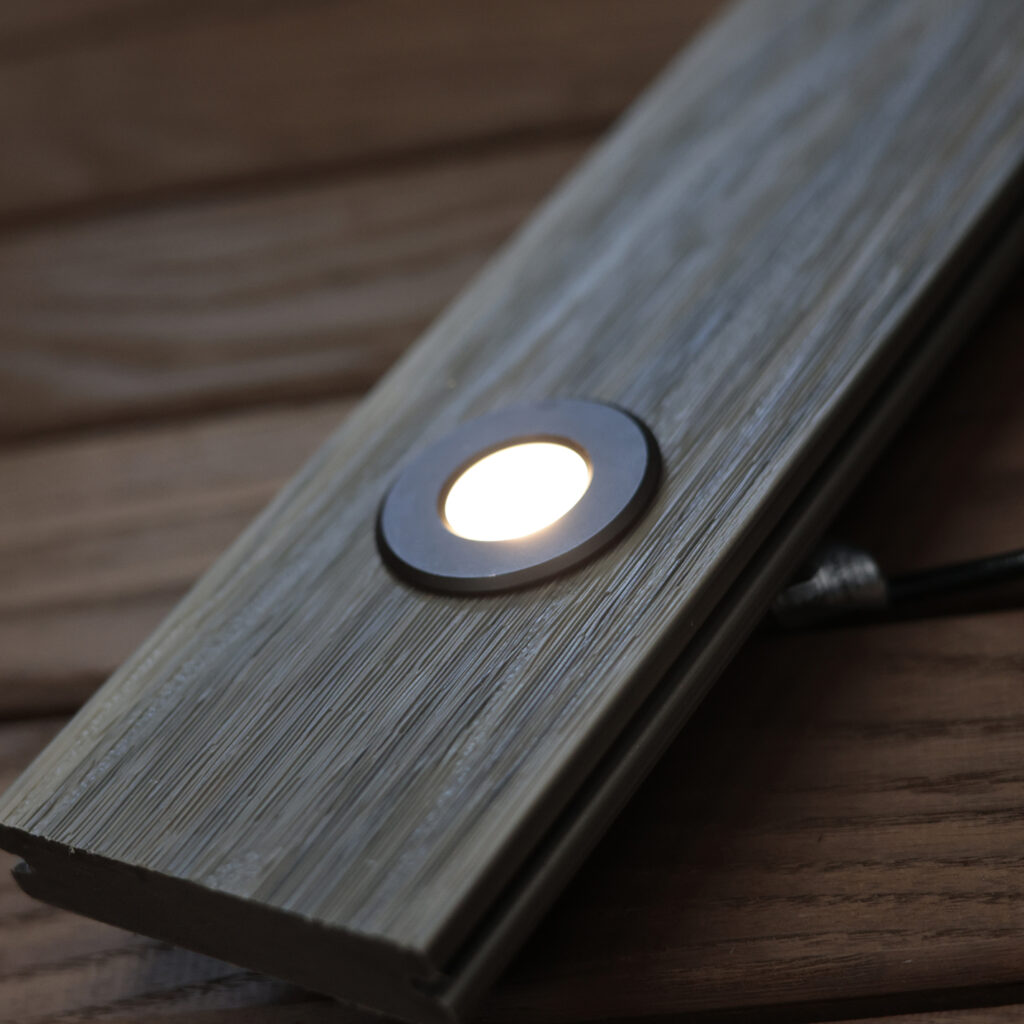
Would you like to browse our deck tile products and accessories?
Are modern materials like composite wood a better choice than traditional wood for outdoor flooring? This question often arises when homeowners plan to upgrade exterior walls, decks, or outdoor living areas. While both materials are commonly used, their performance can vary significantly over time. In this article, Designer Deck provides a clear comparison between composite wood siding and natural wood siding, helping homeowners choose a solution that maintains strength, stability, and visual appeal over the long term.
To understand this comparison, it is important to first look at what composite wood is and how it differs from regular wood. Composite wood is made by blending recycled wood fibres with plastic-based materials and binding components. This process creates a solid surface that reduces common outdoor concerns such as mould growth, rotting, insect activity, and moisture absorption. Compared to natural wood, composite wood remains more stable when exposed to sunlight, rain, humidity, and coastal conditions. As a result, it offers reliable performance and maintains its appearance over longer periods in outdoor environments.
Why Durability Matters in Outdoor Flooring?
Outdoor flooring faces constant exposure to natural elements. Rain, snow, sunlight, and temperature shifts can gradually affect the strength and appearance of materials. Over time, even small issues such as moisture retention or surface wear can lead to larger maintenance concerns. Because of this, choosing a durable material reduces long-term costs, limits repairs, and ensures the outdoor space remains functional and visually appealing. This is where the debate between wood siding and composite siding becomes especially relevant.

Wood Siding for Outdoor Flooring Applications
Wood siding has long been valued for its natural beauty and classic appearance. Many outdoor spaces use wood to create a warm and inviting environment that blends well with surrounding landscapes.
1. Durability of Wood Siding
In terms of durability, wood siding performs well when properly maintained. High-quality woods such as cedar or treated lumber resist decay better than untreated options. However, wood remains a natural material, which means it reacts to moisture and temperature changes. Over time, exposure to rain and snow can cause swelling, cracking, or warping. In addition, insects and fungal growth may affect wood if protective treatments wear off. As a result, durability depends heavily on consistent care.
2. Maintenance and Longevity
Regular maintenance plays a major role in extending the life of wood siding used for outdoor flooring. Cleaning, sealing, and staining help protect the surface and maintain its strength. Without these steps, wear becomes noticeable more quickly. Although some homeowners appreciate the aging look of natural wood, others may find the maintenance demands challenging. This leads many to consider alternative materials that require less effort.
Composite Siding for Outdoor Flooring
Composite siding is one of the best Designer Deck Outdoor Flooring designed specifically to address the limitations of natural wood. Made from a blend of recycled wood fibers and plastic, it offers a strong and stable surface suited for outdoor environments.
1. Durability of Composite Siding
Composite siding provides high durability across different climates. It resists moisture absorption, which prevents common issues such as rotting, splitting, and warping. This stability allows the material to perform well through seasonal temperature changes. In addition, composite siding maintains its shape and finish even with frequent use. This consistency makes it a reliable choice for outdoor flooring where durability is a priority.
2. Low Maintenance Benefits
Another advantage of composite siding is its low maintenance requirement. Unlike wood, it does not need sealing or staining to maintain performance. Simple cleaning is usually sufficient to keep the surface in good condition. As a result, composite siding supports long-term durability without adding extra upkeep responsibilities.
Comparing Durability: Wood Siding vs Composite Siding
When comparing wood siding vs composite siding, the difference in durability becomes clearer over time. Wood relies on ongoing care to perform well, while composite siding is engineered to resist common outdoor challenges. Wood may develop visible wear faster, especially in wet or cold climates. Composite siding, on the other hand, offers predictable performance with fewer concerns related to moisture or pests. For outdoor flooring that needs to remain stable and visually consistent, composite siding often provides stronger long-term results.
Weather Resistance and Climate Considerations
Climate conditions have a direct impact on outdoor flooring durability. In regions with frequent rain, snow, or temperature changes, materials face increased stress. Wood siding may struggle under these conditions unless it receives proper treatment and regular maintenance. Composite siding handles moisture and freeze-thaw cycles more effectively, which helps preserve its structure. Because of this, composite siding is often preferred for outdoor flooring in urban and variable climates.
Design Consistency and Appearance
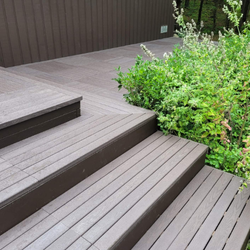
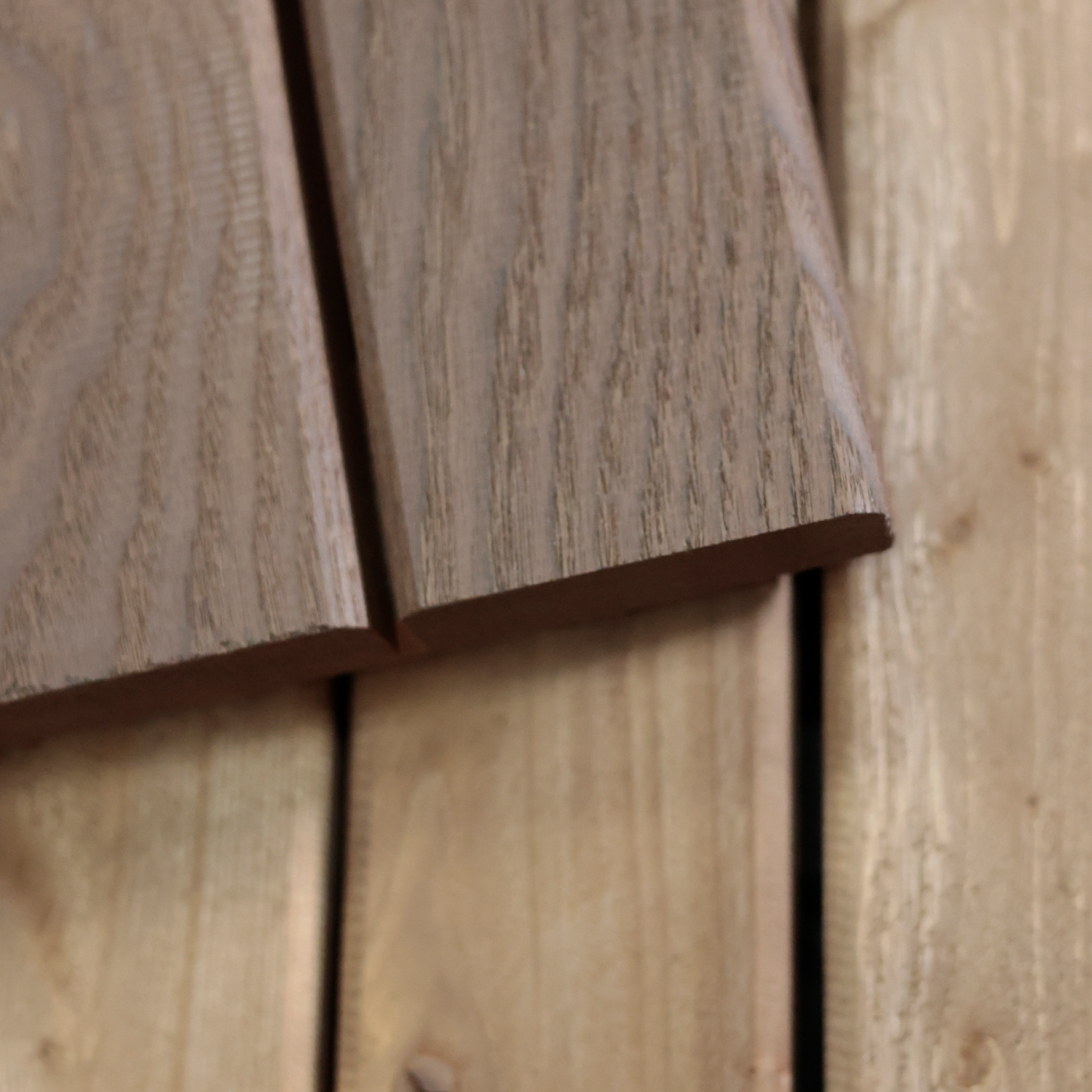
Beyond durability, appearance also matters in outdoor flooring. Wood siding offers natural grain patterns that create a traditional and organic look. This appeals to homeowners who prefer classic outdoor designs. Composite siding provides a clean and uniform appearance that aligns well with modern outdoor spaces. Its consistent finish supports minimalist and contemporary layouts without visual disruption. Both materials offer design value, but composite siding delivers a more controlled and long-lasting look.
Safety and Everyday Performance
Outdoor flooring must remain safe underfoot. Wood siding can become slippery when wet and may develop splinters as it ages. These factors can affect comfort and usability. Composite siding offers a smoother and more stable surface. Its uniform construction reduces surface issues, which helps improve safety and overall performance. This makes composite siding suitable for high-traffic outdoor areas.
Designer Deck Solutions for Durable Outdoor Flooring
Designer Deck offers a range of composite wood siding solutions designed specifically for modern outdoor flooring needs. These products focus on durability, clean design, and long-term performance, making them suitable for residential and urban outdoor spaces.
1. Composite Wood Siding Options by Designer Deck
The composite siding is one of the best Designer Deck outdoor flooring Canada and is available in multiple finishes and profiles that suit different outdoor layouts. Homeowners can choose from:
- Wood-look composite panels that replicate natural grain without the maintenance demands
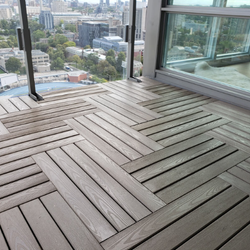
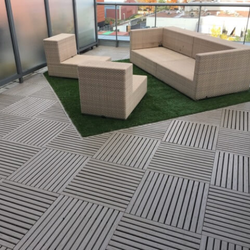
- Interlocking composite deck tiles ideal for quick installation on balconies and patios
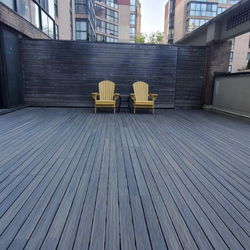
- Uniform plank designs that support clean, contemporary outdoor flooring layouts
These options allow flexibility in design while maintaining structural stability.
2. Design Versatility for Decks and Balconies
Composite wood siding from Designer Deck works well across various outdoor flooring applications, including:
- Deck flooring for private homes
- Urban Balcony flooring in Canada
- Rooftop terraces and shared outdoor areas
The consistent surface finish helps create visually balanced outdoor spaces while supporting daily foot traffic.
FAQ’s on Outdoor Flooring in Canada
Ques: What outdoor flooring material lasts the longest in Canada?
Ans: Outdoor flooring that handles moisture and temperature changes well lasts the longest in Canada. Mostly, materials like composite siding, stone tiles, and treated wood is a better option than untreated wood.
Ques: Is composite flooring suitable for decks and patios?
Ans: Yes, composite flooring is suitable for decks and patios. It is made by using recycled plastic and fibres, which helps it stay strong in outdoor conditions.
Ques: What is a low-maintenance option for outdoor flooring?
Ans: There are many outdoor flooring options that need little upkeep, but composite flooring is one of the easiest. It stays strong and looks good with just regular cleaning, without any requirement for sealing or staining.
Ques: Which flooring option works best for balconies and small outdoor areas?
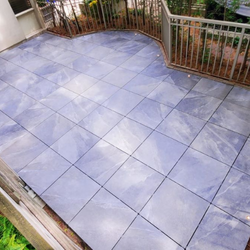
Ans: Lightweight deck tiles and compact flooring systems such as composite deck tiles or porcelain tiles are a good option for balconies. They fit limited spaces well and can be installed easily without much effort.
Ques: Are deck tiles easy to install and maintain?
Ans: Yes, deck tiles are made for quick installation and simple upkeep. They can be placed without tools and cleaned easily during regular use.
Final Comparison and Recommendation
Based on the points discussed above, the final comparison can be made like this: Wood siding gives a natural, classic look but needs regular care and maintenance to stay strong over time. Composite siding, on the other hand, is durable, resists moisture, and requires very little upkeep. Therefore, composite siding is a more durable option for outdoor flooring. For the latest and trending designs in outdoor spaces, patios, decks, and balconies, visit Designer Deck and hire a Designer Deck Pro to ensure expert installation and a finished look that lasts for years.