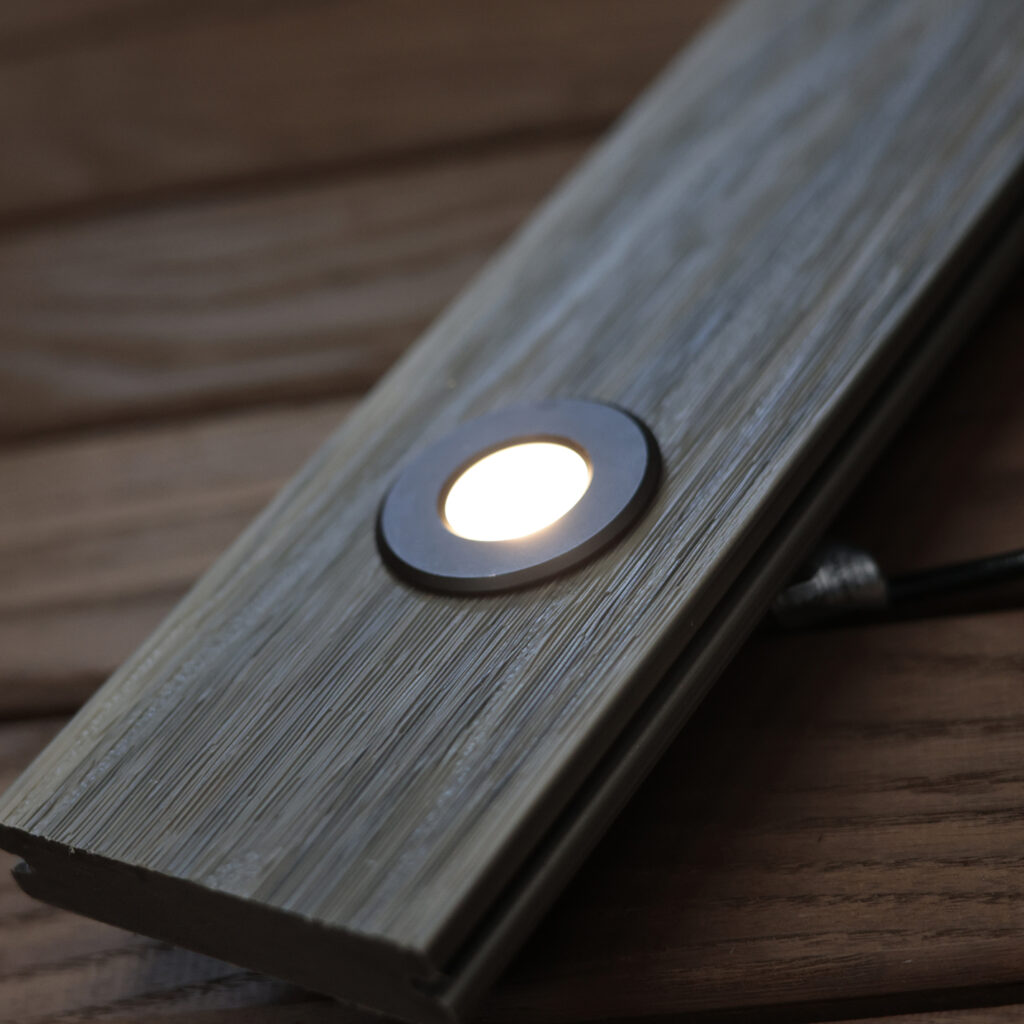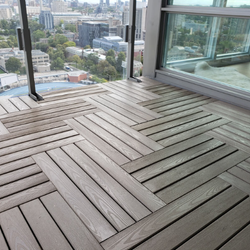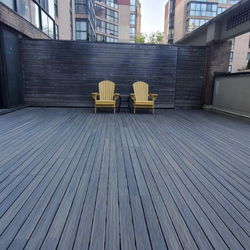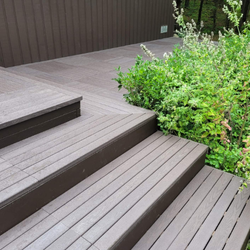
Would you like to browse our deck tile products and accessories?
Are outdoor tiles really worth it for modern homes? Today, more homeowners are using outdoor tiles to enhance patios, balconies, and gardens, creating spaces that are not only durable but also visually appealing. From sleek stone finishes to wood-look and patterned tiles, there is a growing trend toward voguish tile designs that blend style with practicality. Many people wonder which tile options handle changing weather, stay safe underfoot, and last long without losing their charm. And, choosing the wrong tile can turn a simple upgrade into a costly mistake, which is why understanding materials, installation, and maintenance is key. In this blog, Designer Deck answers the most frequently asked questions about outdoor tiles, giving you clear, practical guidance for creating beautiful and functional outdoor spaces.

FAQs on Outdoor Tiles: Types, Uses, and Selection Guide
Outdoor tiles are durable flooring materials designed for exterior spaces such as patios, balconies, gardens, and walkways. They are made to handle weather exposure, moisture, temperature changes, and regular foot traffic. Compared to indoor tiles, outdoor tiles such as porcelain tiles, stone-look finishes, concrete-style surfaces, and wood-look tiles are stronger, absorb less water, and usually have a textured surface for better grip. Their main purpose is to provide a safe, long-lasting, and finished surface in open-air areas. Let’s further explore more about outdoor tiles and how these durable tiles are different from indoor flooring tiles.
1. How are outdoor tiles different from indoor flooring tiles?
At Designer Deck, we explain this simply to help users choose the right tiles. Outdoor tiles suit open spaces and handle changing weather conditions easily. We use porcelain outdoor tiles, stone-look tiles, and concrete-style designs because they stay strong in rain, heat, and moisture. These tiles support heavy foot traffic in terraces, walkways, and gardens. Their textured surface improves grip and reduces slipping during wet conditions. Indoor flooring tiles work best for comfort and beauty inside homes. We recommend ceramic tiles, polished vitrified tiles, and glossy finishes for indoor areas. Designers use them in living rooms, bedrooms, and other controlled spaces. These tiles focus on smoothness, easy cleaning, and better visual appeal. Indoor tiles do not need strong weather resistance like outdoor tiles. Outdoor tiles give strength and safety, while indoor tiles enhance style and comfort.
2. Which materials are commonly used for outdoor tiles?
Outdoor tiles are usually made from materials that stay strong in open conditions. Porcelain is one of the most widely used materials because it is dense and absorbs very little water. Natural stone, such as granite or slate, is also used for outdoor tiles where a more natural finish is preferred. Concrete-based materials are another common choice, offering a solid surface with a modern look. Some outdoor tiles are designed to copy the appearance of wood or grass, but they are still made from durable tile materials that can handle weather, moisture, and regular use.
3. Why are porcelain tiles widely preferred for outdoor spaces?
Porcelain tiles are commonly chosen for outdoor areas because they handle moisture and temperature changes well. Their dense structure allows very little water to pass through, which helps prevent surface damage during rain or colder months. These tiles also maintain their finish under sunlight and daily use. Many outdoor porcelain options come with textured surfaces, making walking more comfortable in wet conditions while keeping the space visually balanced.
4. How do elevated outdoor tiles improve drainage and durability?
Elevated outdoor tiles are installed above the surface using support systems rather than being fixed directly to the base. This creates a gap underneath where water can flow away easily. With proper drainage, moisture does not stay trapped under the tiles, which helps the flooring stay stable over time. This method is especially useful for terraces, rooftops, and balconies.
5. Which outdoor tiles work best for patios and seating areas?
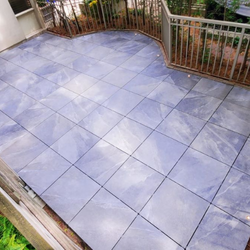
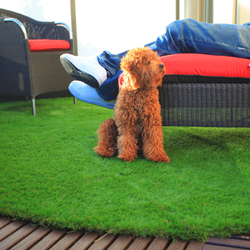
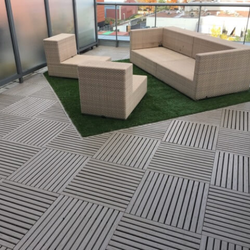
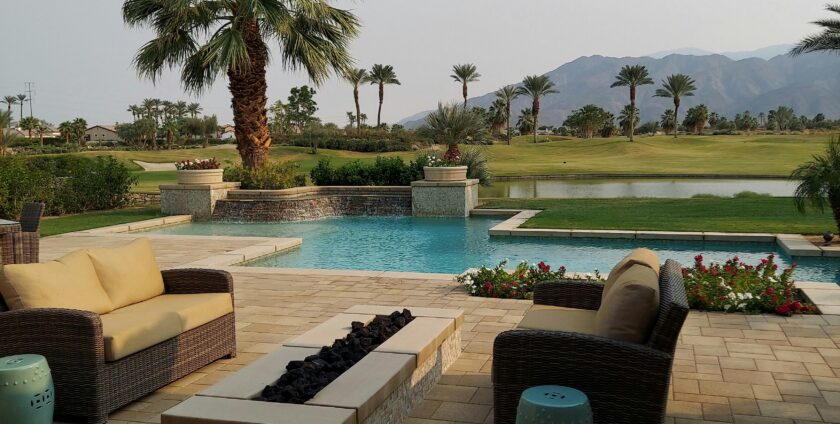
Patios and seating areas need flooring that stays firm, feels comfortable underfoot, and supports furniture without shifting. Hard-surface options like elevated porcelain tiles are commonly used where a clean, structured patio look is preferred. Outdoor grass tile inserts suit patios designed around greenery, helping soften the overall space. For deck-style seating areas, recycled plastic boards, available in both narrow and wide formats, work well in high-use patios where durability and easy care matter. Tantimber hardwood and wood plastic composite (wood plastic composite) are also popular choices, especially for creating warm, inviting seating zones that blend naturally with outdoor surroundings.
6. What type of outdoor flooring tile suits balconies and compact spaces?
For balconies and compact outdoor spaces, flooring needs to stay simple, balanced, and comfortable in limited areas. Recycled plastic narrow boards help keep the surface clean and stable while maintaining an open feel. Wood plastic composite (wood plastic composite) gives a smooth deck-style look that suits smaller layouts without overpowering them. And, where a tiled finish is preferred, elevated porcelain tiles allow water to drain underneath, keeping the balcony surface orderly and usable.
7. How should outdoor walkways and garden paths be tiled?
Outdoor walkways and garden paths look best when the tiles are steady, comfortable to walk on, and blend with the surrounding landscape. Outdoor grass tile inserts work beautifully in gardens, creating a soft, natural feel. For a firmer surface, stone-look porcelain tiles or concrete-style tiles are often chosen. Lighter shades like beige, taupe, and soft grey brighten paths, while textured or cobble-style patterns provide grip and a natural aesthetic. Proper spacing and a level base are important to allow drainage and prevent uneven surfaces over time.
8. Why is slip resistance important for outdoor flooring?
Outdoor floors are exposed to rain, dew, and seasonal moisture, which can make smooth surfaces slippery. Slip-resistant textures help prevent accidents, keeping walkways, patios, and seating areas safer. Tiles such as elevated porcelain tiles, wood-look pressure treated boards, and wood plastic composite boards provide extra grip while maintaining style. Subtle surface patterns, like stone or wood grain textures, improve traction and add visual interest to the flooring.
9. How does the base affect outdoor tile performance?
The base underneath outdoor tiles supports the entire flooring system and plays a key role in its durability. A solid concrete or compacted sand and gravel base prevents tiles from shifting, cracking, or becoming uneven over time. Elevated tiles, such as elevated porcelain tiles, require a level base that allows water to drain underneath. Even wood-based options like Tantimber hardwood perform best when laid on a stable, well-prepared base that absorbs movement and ensures long-lasting stability.
10. Which outdoor flooring options require low maintenance?
If you want something that is easy to manage, go for materials that do not need regular care. Many deck tile options like recycled plastic boards, wood plastic composite (WPC), and porcelain tiles require very low maintenance. These materials handle moisture, sunlight, and daily use really well, so you do not have to worry about frequent sealing or heavy cleaning. A simple wash once in a while is usually enough to keep them looking good. And, if you like the natural feel of wood, Tantimber hardwood is also a great option. It may need a little care from time to time, but it is quite durable and lasts for years without much effort.
11. How should outdoor tiles be maintained during seasonal changes such as rain, snow, and summer heat?
Outdoor tiles stay in good condition with seasonal care. During rainy months, it’s important to keep drains and joints clear so water doesn’t pool. In summer, sweeping away dust, leaves, or debris prevents stains and keeps the surface neat. Tiles such as elevated porcelain and wood plastic composite boards handle seasonal changes well if occasional cleaning is done, ensuring safety and a fresh appearance throughout the year.
12. Why are wood-based outdoor tiles still popular?
From the experience of experts at Designer Deck, most people still choose wood-based outdoor tiles because they simply make a space feel warm and natural. When you step onto a patio or deck with wood-style flooring, it feels more comfortable and welcoming compared to hard surfaces. Materials like Tantimber hardwood give a rich, premium look, and now with modern treatments, they handle moisture and weather much better, so you don’t have to worry much about damage.
If someone wants a similar look with easier maintenance, I usually suggest wood-look composite tiles, which also last long outdoors. Another reason is that these tiles blend very nicely with plants, grass, and garden setups. Everything looks more connected and relaxed. That’s why, even with new trends, wood-based tiles remain a trusted and popular choice for outdoor spaces.
13. Can the same outdoor tile be used across multiple areas of the home?
Many outdoor tiles are versatile enough for patios, balconies, walkways, and even garden paths. Using the same material, like elevated porcelain tiles and wood plastic composite boards, across different areas creates a sense of continuity and visual harmony. Mixing textures and patterns carefully, such as combining stone-look tiles with grass inserts, keeps the design interesting while still feeling connected.
Overall, outdoor tiles offer a balance of durability, style, and practicality for exterior spaces. With options such as porcelain tiles, elevated systems, stone-look finishes, wood-based boards, recycled plastic, wood plastic composite, and grass tile inserts, patios, balconies, walkways, and garden areas can be designed to perform well in changing weather while remaining visually appealing. Visit Designer Deck showrooms in Vaughan, Toronto, Etobicoke, Mississauga, Markham, and Oakville. Hire a Designer Deck Pro for professional installation and explore durable outdoor tiles in trending colours such as soft greys, warm beiges and subtle stone patterns.