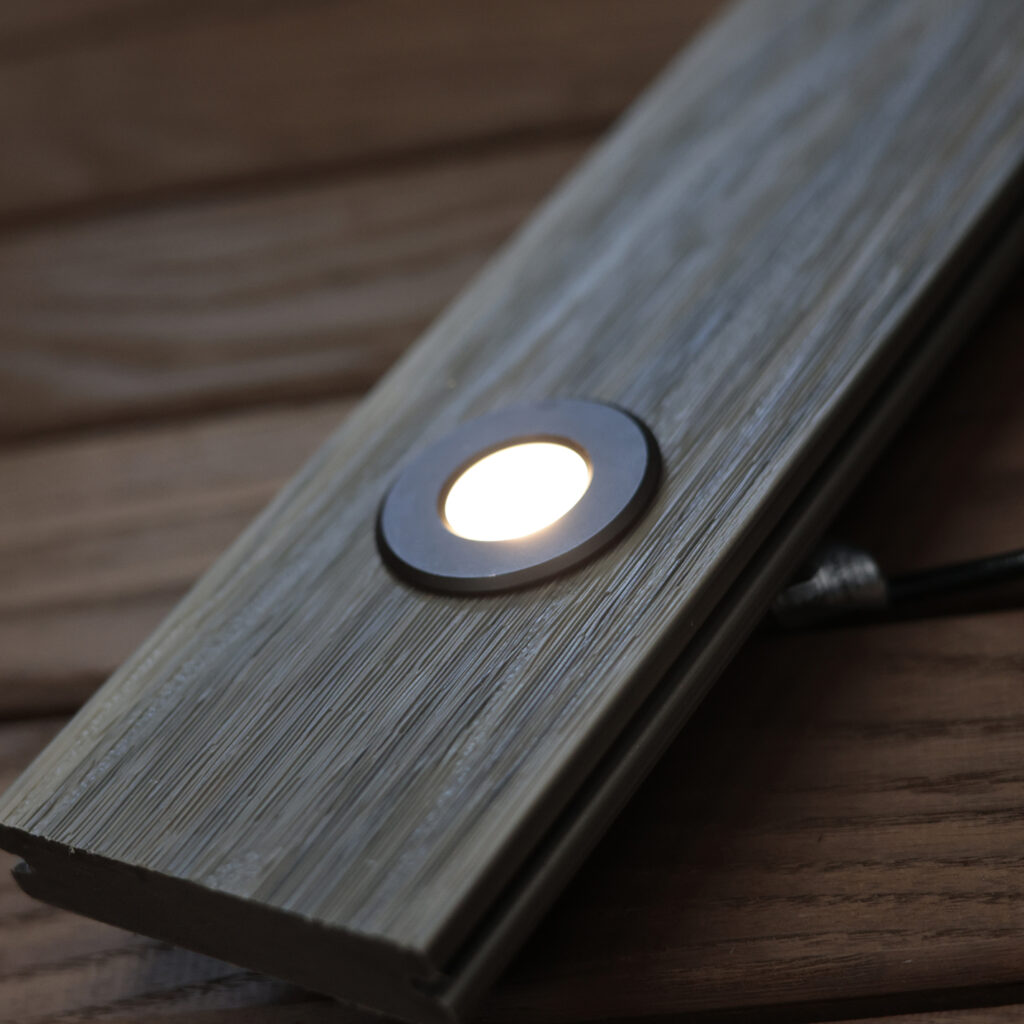
Would you like to browse our deck tile products and accessories?
Are you thinking of renovating your deck with sustainable deck tiles? Today, many homeowners are looking for the perfect backyard. For a long time, real wood was the only choice for a deck, but nowadays, wood plastic composite (WPC) is becoming very popular. You might be wondering, is composite more eco friendly than natural wood? Well, it is a “Sustainability Showdown” between traditional forest timber and modern recycled technology. And, to make the right choice, it is important to understand what composite decking really is and how it compares with traditional wood. Let’s begin to understand the facts and adopt a more eco-friendly way of home lifestyle.
What Is Composite Decking Made Of?
To understand why Wood Plastics Composite(WPC) is dominating the market, we have to look under the surface. Many people assume composite is just “plastic wood”, but the reality is a marvel of material science. Modern composite decking is a hybrid material. It is typically composed of approximately 50% to 60% reclaimed wood fibers such as sawdust and wood flour from furniture factories; and 40% to 50% recycled plastics such as high-density polyethylene from milk jugs and shopping bags. These materials are heated, mixed with stabilizers and pigments, and extruded into dense, durable decking boards.
Moreover, at Designer Deck, we utilize second-generation co-extrusion technology. This means our boards feature a robust inner core encapsulated in a 360-degree high-performance polymer. This shell is what makes the board impervious to moisture, mold, and fading. Thus, it is a composite ecosystem that takes waste from two different industries and turns it into a luxury building material. Let’s see how natural wood compares with composite wood.

How Natural Wood Compares With Composite Wood?
For many years, natural wood like cedar, redwood, and ipe was the top choice for building beautiful backyard decks. It has a biophilic warmth that is undeniably visually appealing. However, when we look at a side-by-side comparison today, the limitations of natural wood start to become more noticeable. Over time, its quality fades, cracks, or warps, and it needs regular care to maintain its appearance. What once seemed like the perfect choice now requires more effort, cost as well as maintenance than many homeowners expect. Below are some of the key facts that highlight how natural wood compares with composite wood in real outdoor conditions.
1. The Maintenance Gap:
One of the first and most important points in this discussion is the clear difference in upkeep between natural wood and composite decking. Natural wood is a living material, it breathers, absorbs water, and reacts to the sun. Without a rigorous schedule of sanding, staining and sealing every 12 to 24 months, wood will inevitably warp, crack, and grey. On the other hand, composite wood requires none of these steps. There is no peeling paint, no fading stain, and certainly no splinters required. A simple rinse with a garden hose and occasional mild soap is all it takes to keep a Designer Deck looking brand new for 25 years or more.
2. Durability and Safety:
Beyond maintenance, durability and safety become equally important when choosing the right decking material. In terms of performance, composite clearly holds an advantage. Natural wood remains vulnerable to termites, carpenter bees, and fungal decay. As it ages, the surface can become rough and develop splinters, which may create safety concerns for families with children or pets. Composite decking is engineered to overcome these issues. It resists pests, handles moisture effectively, and maintains a smooth, splinter-free surface. Many designs also include slip-resistant textures, making them suitable for pool areas and spaces with heavy foot traffic.
3. The Aesthetic Evolution:
While performance matters, appearance also plays a major role in decision-making, and this is where modern composite has evolved significantly. In earlier days, composite materials lacked the natural appeal of wood. Today, that has completely changed. Advanced manufacturing techniques now create rich color variations and detailed grain patterns that closely resemble real timber. These boards capture the refined look of natural hardwood while offering the strength and consistency of an engineered product. The result is an outdoor space that feels elegant, modern, and visually complete without compromising on durability.
Afterall, for the modern look of your home, Designer Deck has listed rich color variations and new patterns of composite deck tiles.
Designer Deck’s Rich Color Variations and New Patterns in Deck Tiles
Inspired by evolving design aesthetics, Designer Deck presents a collection of deck tiles that combine style with innovation. Each tile is designed to elevate your space with a vibrant appeal while ensuring low maintenance and lasting performance. These are listed as below:
1. Beachwood
Light blonde tones with soft tan and roasted brown highlights create a warm, bright, and inviting outdoor setting.

2. Rocky Shoreline
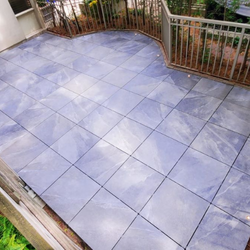
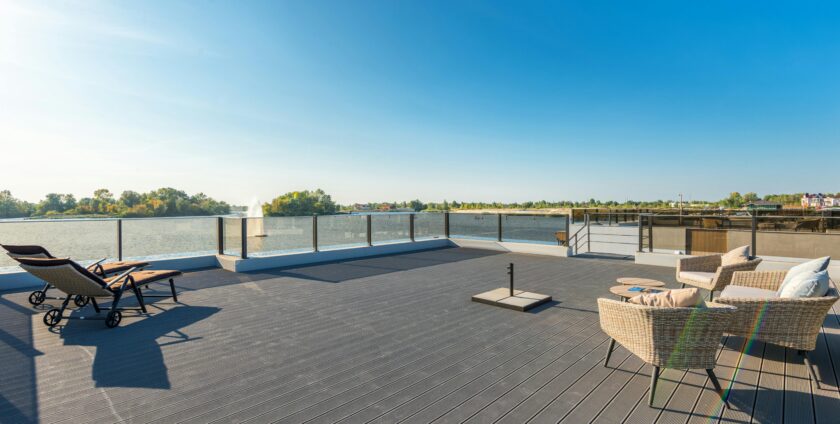
A deep smoky grey base with touches of toasted almond and subtle blue accents gives a bold and refined look.

3. Misty Wharf
A balanced blend of light grey, darker shades, and soft blue and mauve hints delivers a calm and modern feel.

4. Rustic Cabin
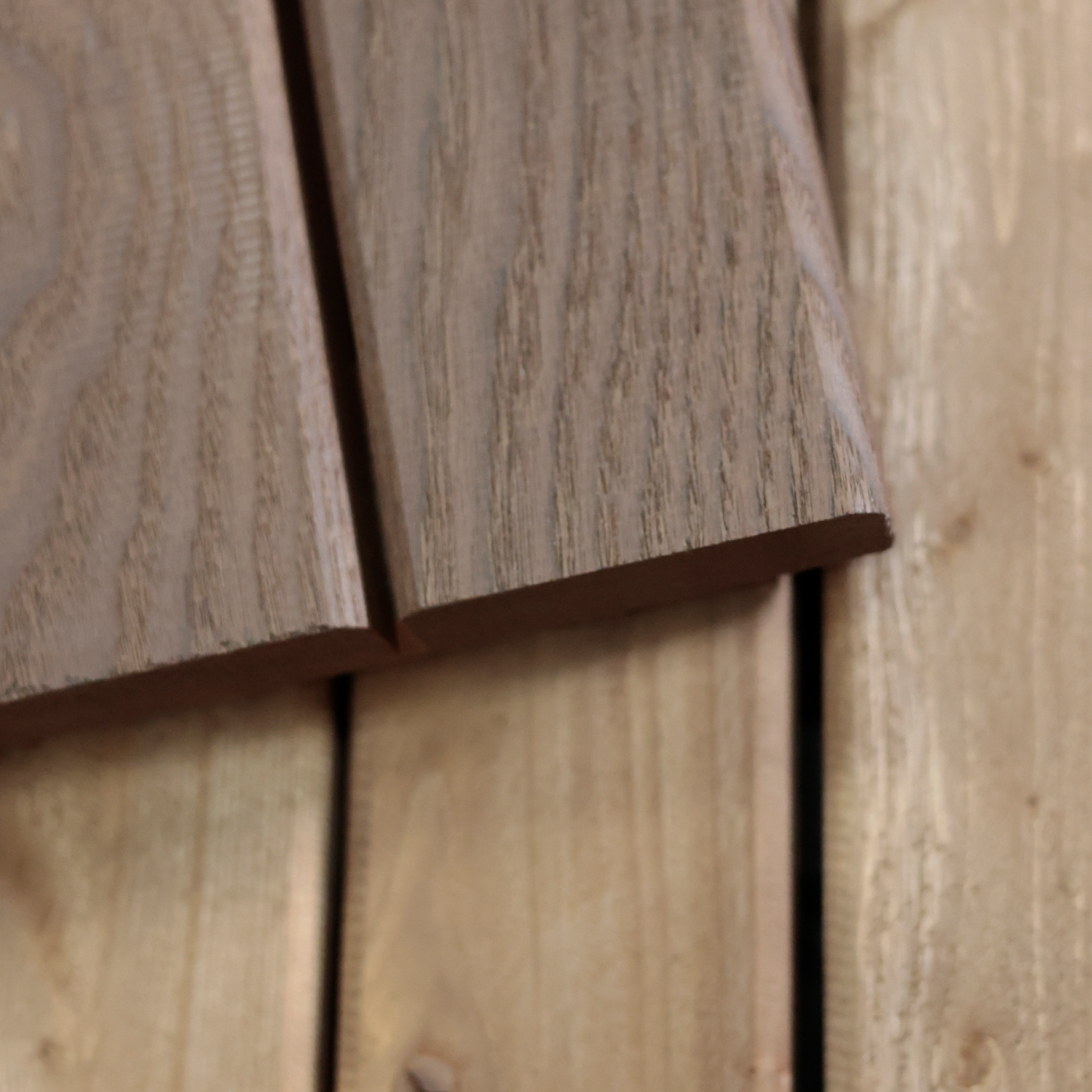
Rich earthy browns with deep chocolate tones bring warmth and a timeless, natural character to your space.

With an overall understanding of composite and natural wood decking, let’s now compile the sustainability showdown and see which material truly stands out.
The Sustainability Showdown: Is Composite More Eco-Friendly?
This is where the debate gets interesting. To determine the winner, we have to look at the Life Cycle Assessment(LCA) of both the materials.
1. The Case for Wood:
Trees absorb carbon as they grow, which makes timber a naturally supportive material for the environment. This benefit remains effective only when the source follows responsible forestry practices. If it comes from certified forests and is used locally, it supports a balanced ecosystem. However, long-distance transport and uncontrolled harvesting can reduce these advantages.
2. The Case for Composite:
Composite decking uses recycled wood fibers and plastic, which helps reduce waste and limits the need for fresh resources. This approach supports a circular system where existing materials are reused instead of being discarded. Although production requires energy, the reuse of waste materials adds long-term environmental value.
3. Waste Diversion:
Composite decking plays a strong role in managing waste. A large outdoor area built with these boards can include thousands of recycled plastic items, such as carry bags, that would otherwise end up in landfills. This helps reduce pollution and supports cleaner surroundings.
4. Zero Toxic Runoff:
This is the “hidden” eco-cost of wood. The chemical stains and sealers required to keep a wood deck from rotting are often toxic. Every time it rains, those chemicals leach into your soil and groundwater. Composite requires zero chemicals for its entire 30-year lifespan.
5. The Power of Longevity:
Sustainability is also about how often you replace a product. If you have to replace a wood deck every 10–12 years, you are doubling the carbon footprint of your project. A single composite deck that lasts 30 years is, by definition, the more sustainable choice.
In a complete comparison, both materials have their place, but composite decking provides a more consistent and practical solution for those who want durability along with environmental responsibility.
Frequently Asked Questions on Wood Plastic Composite Decking
Ques: What are two common uses for wood plastic composites?
Ans: Aside from building long-lasting decks and railings, these materials are perfect for outdoor furniture and weather-resistant wall siding.
Ques: What type of plastic is composite decking?
Ans: Most of the time, it’s made from High-Density Polyethylene (HDPE), which is basically recycled plastic from things like milk jugs.
Ques: Is wood plastic composite waterproof?
Ans: It is highly moisture-resistant and won’t rot like real wood, though “capped” boards are the best at truly keeping all water out.
Ques: Are there different types of composite decking?
Ans: Yes, you can choose between “solid” boards for extra strength or “capped” boards that have an added protective layer.
Ques: What is the best color for composite decking?
Ans: There is no single best color, but natural greys and warm browns are the most popular because they stay looking clean.
Conclusion: The Future is Composite
This sustainability showdown is not about choosing what was popular in the past, but about choosing what truly works for the future. A deck is not just a surface, it becomes a part of your daily life, your comfort, and your space to relax. Designer Deck’s Composite decking fits naturally into this changing lifestyle. It stays strong through time, keeps its look without constant effort, and supports a more mindful way of building homes. Designer Deck brings all of this together with designs that feel close to nature while offering long-term reliability. Hire A Designer Deck Pro for more updates and quality work for your outdoor deck.