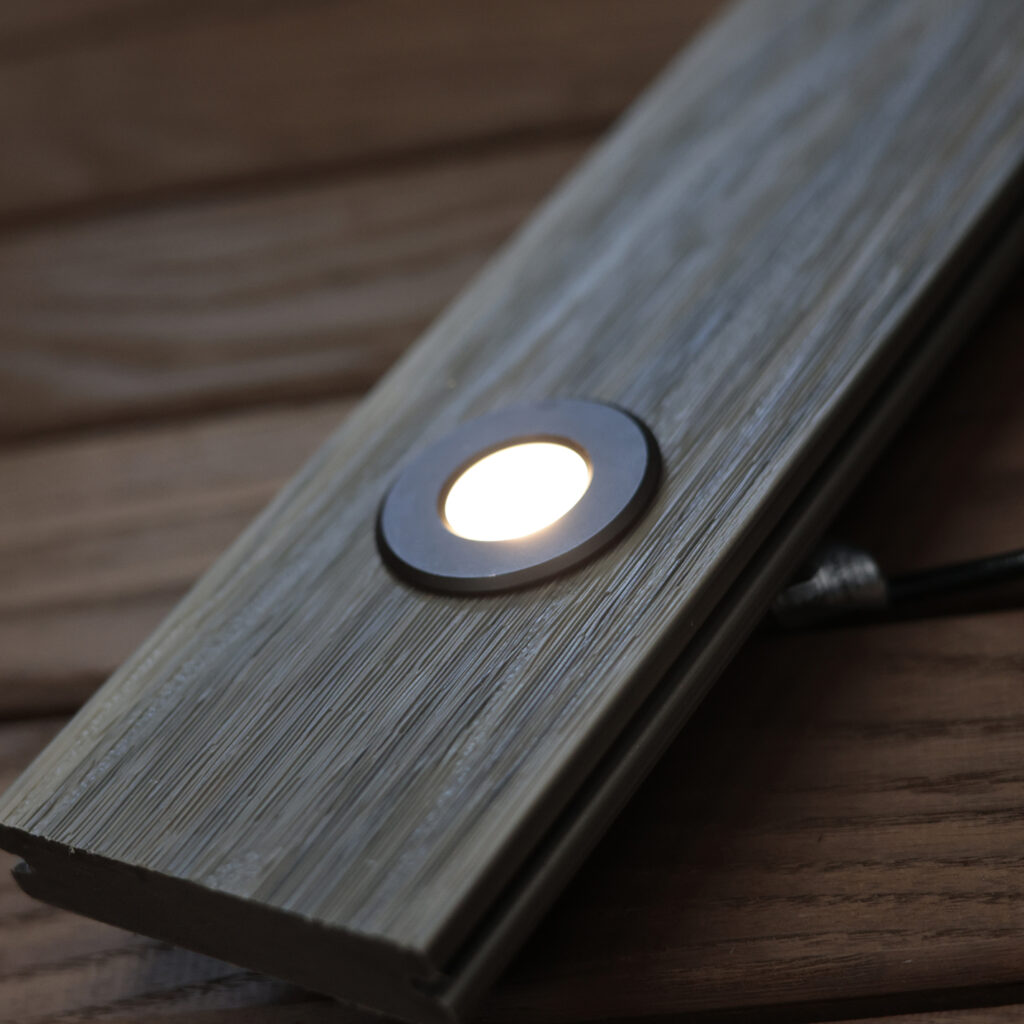
Would you like to browse our deck tile products and accessories?
Do you want to renovate your deck for the spring and summer season? Are you unsure whether your deck needs resurfacing or full replacement right now? If yes, then you are not alone in facing this common outdoor upgrade decision. As many homeowners start searching for deck resurfacing near me or comparing its cost options during the season. This process becomes more confusing when both resurfacing and full replacement seem suitable for different needs. Some decks appear damaged only on the surface, making wood deck resurfacing a practical and efficient choice. Others may require concrete deck resurfacing or resurfacing existing deck with composite for better durability. In certain cases, structural weakness makes full replacement the safer and more reliable long term solution for your outdoor space. So, let’s explore with Designer Deck which is better choice for your home, whether it is deck resurfacing or full replacement.
What Is Deck Resurfacing?
If your deck has some cracks, faded boards, or an uneven surface, then deck resurfacing is a practical solution for it. It is a process which completely focuses on improving the top layer of the deck while maintaining the existing structure intact. This approach works best when the base frame is still strong and is not affected by any serious damage. From a technical perspective, deck resurfacing begins with a proper inspection of the deck’s support system, including joists and beams. Once the structure is confirmed to be stable, the old surface boards are removed and replaced with new materials. These include composite decking, wood resurfacing boards, and other suitable resurfacing finishes. After installing the new surface, the deck is finished with protective coatings, sealing, or modern deck tiles to improve durability and appearance, ensuring it can handle changing weather conditions while maintaining a clean and updated look for your outdoor space. Depending on your choice, resurfacing the existing deck with composite materials can also reduce long term maintenance and provide better resistance against moisture and temperature changes.
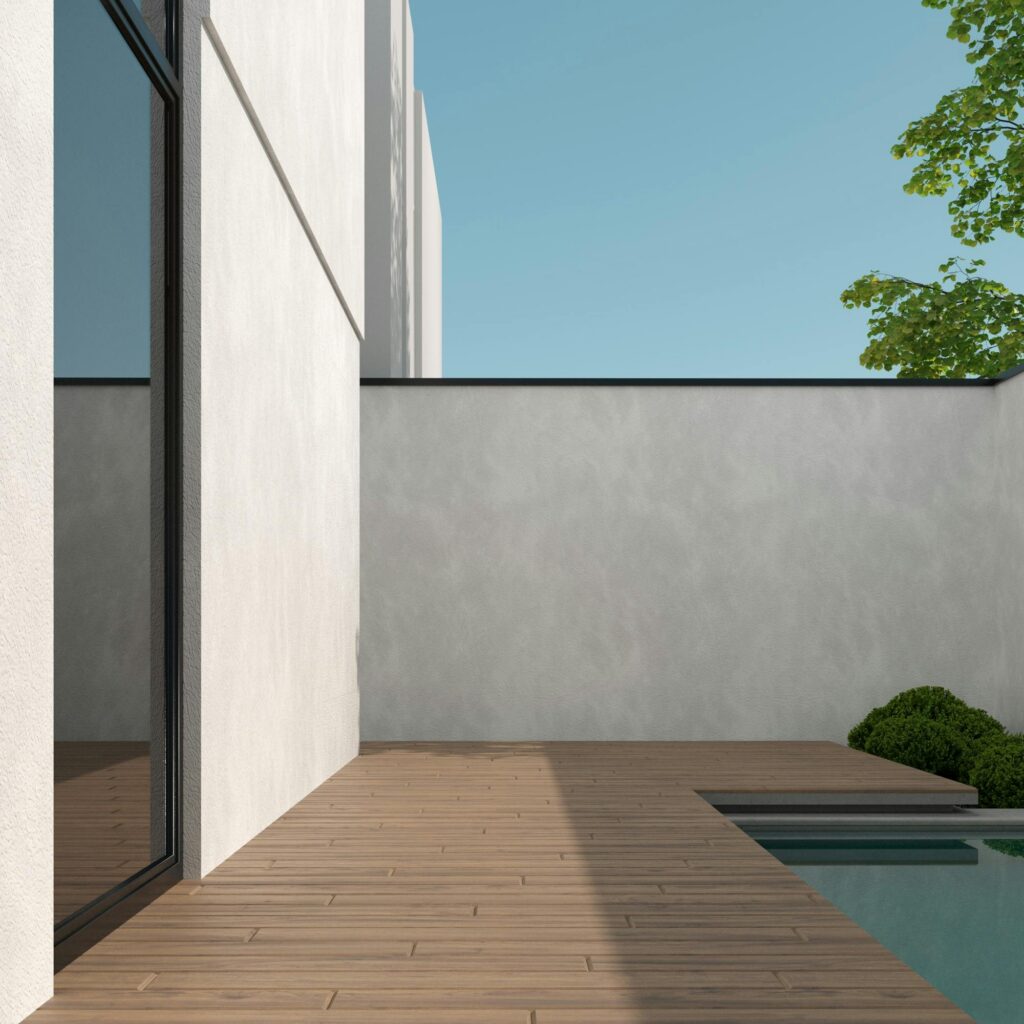
In practical terms, deck resurfacing is a quicker and more cost effective solution compared to full replacement, as it allows homeowners to upgrade their outdoor space without major construction work or extended downtime, making it a suitable option for seasonal improvements when the goal is to refresh the deck without altering its overall structure. However, when the deck structure itself is no longer strong or shows deeper issues, full deck replacement becomes the more suitable option to consider.
What Is Full Deck Replacement?
If your deck shows deep cracks, feels unstable, or has structural damage, full deck replacement becomes the right solution. It is a complete process where the existing deck is removed and rebuilt from the base to ensure strength, safety, and long term performance. This approach is suitable when the foundation, joists, or support system are no longer reliable and cannot support resurfacing. From a technical perspective, full deck replacement begins with dismantling the entire structure, including surface boards, joists, and support posts. The area is then prepared to build a new and stronger framework that meets current safety standards and load requirements. This also allows correction of issues like weak foundations, poor drainage, or uneven layouts that cannot be fixed through resurfacing methods.
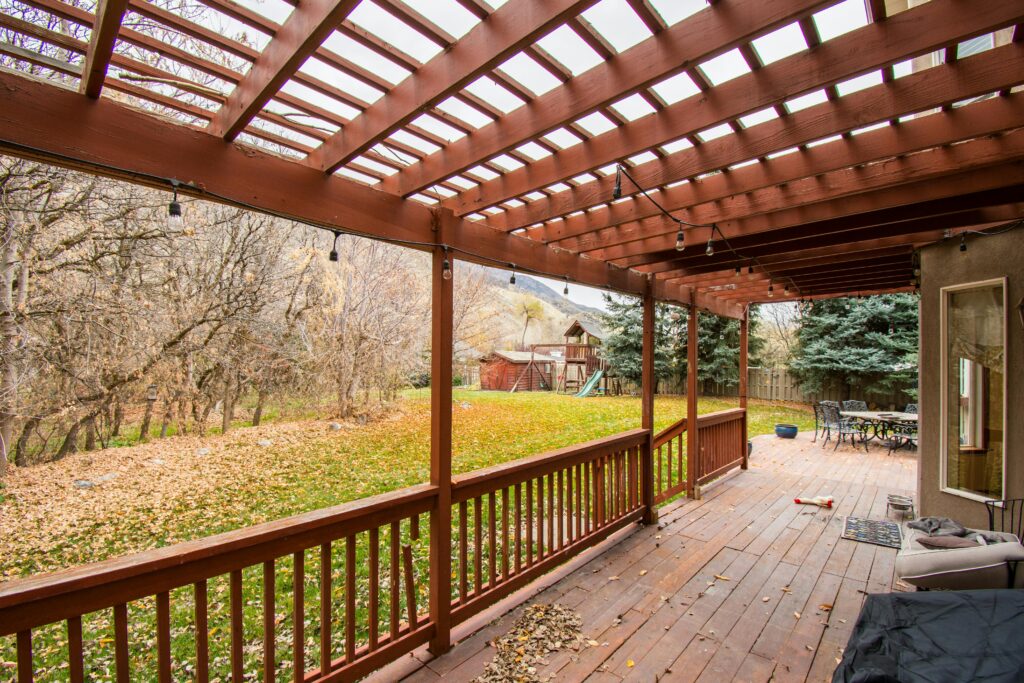
Once the new structure is in place, homeowners can choose from advanced materials such as composite decking, hardwood, porcelain tiles, or modern deck tiles for a more durable and refined finish. In practical terms, full deck replacement requires more time and investment compared to deck resurfacing cost, but it provides complete design flexibility and long term reliability. It is the right choice for those looking to transform their outdoor space with a fresh layout, improved functionality, and lasting value. Now that you understand both options, it becomes important to clearly compare them before making a final decision.
Highlighting Key Differences Between Deck Resurfacing and Full Deck Replacement
Choosing between deck resurfacing and full deck replacement depends on understanding how each option performs in real situations. Many homeowners start by searching for deck resurfacing near me or comparing deck resurfacing cost, but the right decision goes beyond just price. While both aim to improve your outdoor space, the difference lies in how much work is required and what results you can expect in the long run. Looking at key factors can help you make a clear and practical decision.
1. Cost Comparison
One of the first things homeowners consider is cost. Deck resurfacing cost is generally lower because it focuses only on upgrading the surface without changing the structure. Options like wood deck resurfacing, concrete deck resurfacing, or resurfacing existing deck with composite can provide a cost effective upgrade. On the other hand, full deck replacement requires a higher investment as it involves rebuilding the entire framework, but it can offer better long term value if the existing deck has deeper issues.
2. Time and Project Duration
Resurfacing is a quicker process since the base structure remains intact. Most types of deck resurfacing can be completed in a shorter time with minimal disruption, especially when using modern deck resurfacing products like composite boards or deck tiles. In contrast, full deck replacement takes longer as it includes demolition, rebuilding, and finishing, which requires more planning and execution time.
3. Structural Condition
The condition of your existing deck plays a major role in the decision. Deck resurfacing works well when the support system, including joists and beams, is still strong and stable. If there are signs of structural weakness, rot, or instability, full deck replacement becomes necessary to ensure safety and durability instead of relying only on surface level fixes.
4. Design Flexibility
Deck resurfacing allows you to improve the look of your deck but within the limits of the existing layout. You can still explore wood deck resurfacing options or resurfacing existing deck with composite to enhance appearance. Full deck replacement, however, offers complete design freedom, allowing you to redesign your outdoor space according to your current lifestyle and preferences.
5. Long Term Value and Maintenance
Deck resurfacing is a practical solution for short to medium term upgrades, especially when you want to refresh the appearance using suitable deck resurfacing products. Full deck replacement, although more expensive initially, reduces the need for frequent repairs and provides better long term reliability. Choosing durable materials during replacement can also lower maintenance efforts and improve overall performance.
By understanding these key differences, you can evaluate what suits your home or outdoor space better. The right choice depends on your budget, the condition of your deck, and how you plan to use the space in the future.
Choosing the Right Materials for Your Deck Resurfacing and Full Deck Replacement
Once you understand the differences between deck resurfacing and full deck replacement, the next step is choosing the right materials for your outdoor space. The material you select directly affects durability, maintenance, and overall appearance. Let’s continue further.
1. Composite Decking
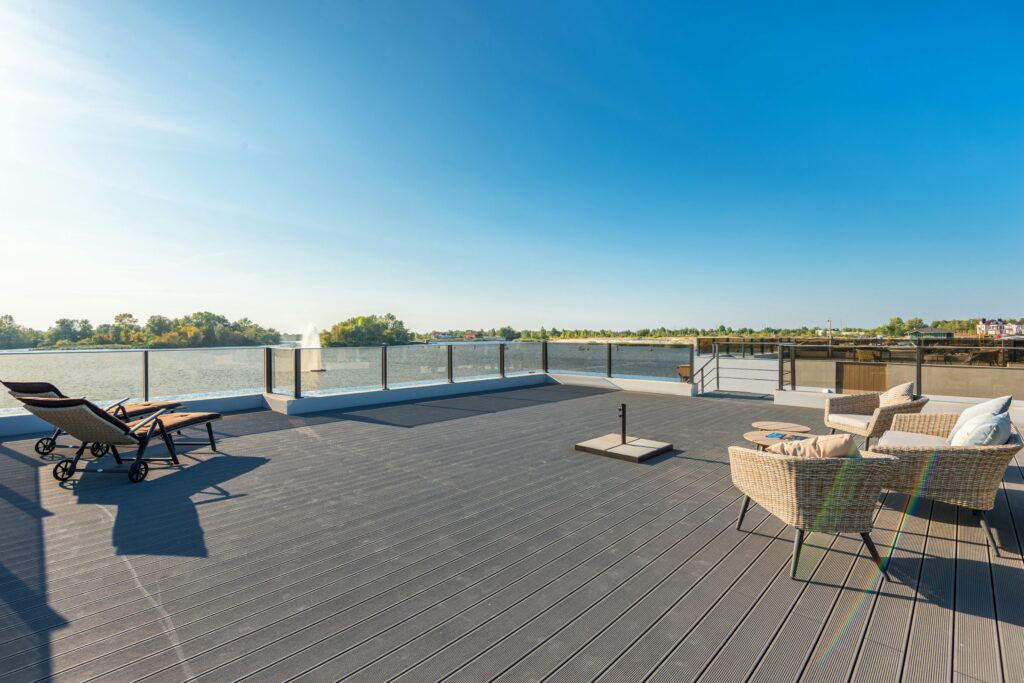
Composite decking is the best material for both deck resurfacing and full replacement. It is one of the most practical choices for resurfacing existing decks as it easily fits over a stable structure. It is also widely used in full replacement projects and offers strong resistance to moisture, fading, and temperature changes.
2. Wood Deck Resurfacing Boards
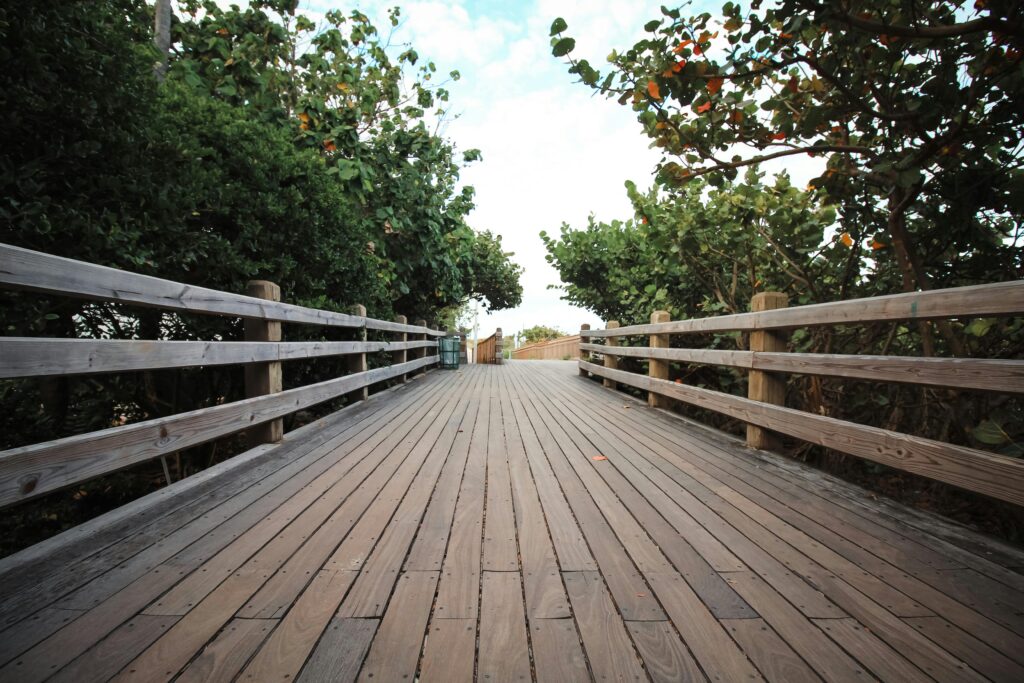
The wood deck resurfacing boards are ideal when you want to maintain a natural look while upgrading the surface. These work well if the base structure is still strong and only the top layer needs improvement. It provides a good appearance but requires regular maintenance like sealing and polishing.
3. Concrete Deck Resurfacing Finishes
Concrete deck resurfacing finishes are best suited for deck resurfacing projects where the base surface is already solid and stable. They provide a clean, modern look while improving durability without making structural changes to the deck. This option works well for homeowners who want a refreshed and polished outdoor space without going for a full rebuild. In terms of long term value, concrete resurfacing is strong and reliable, although it may require occasional refinishing over time to maintain its appearance and performance.
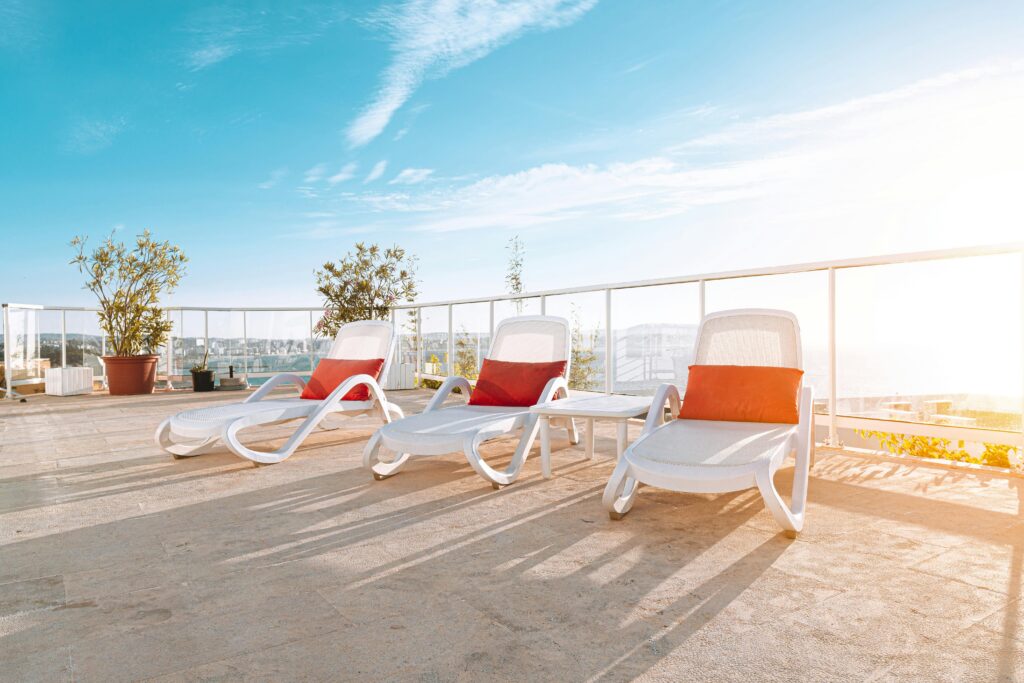
4. Modern Deck Resurfacing Tiles
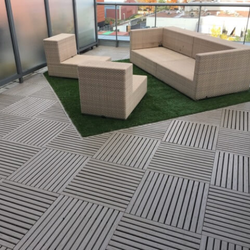
These tiles are best suited for deck resurfacing, especially when you are looking for a quick and practical upgrade for your outdoor space. They offer an easy installation process and can instantly improve the overall look without major construction work, making them ideal for seasonal improvements. In terms of long term value, deck tiles provide easy maintenance and flexibility in design, while their durability largely depends on the quality of the material used.
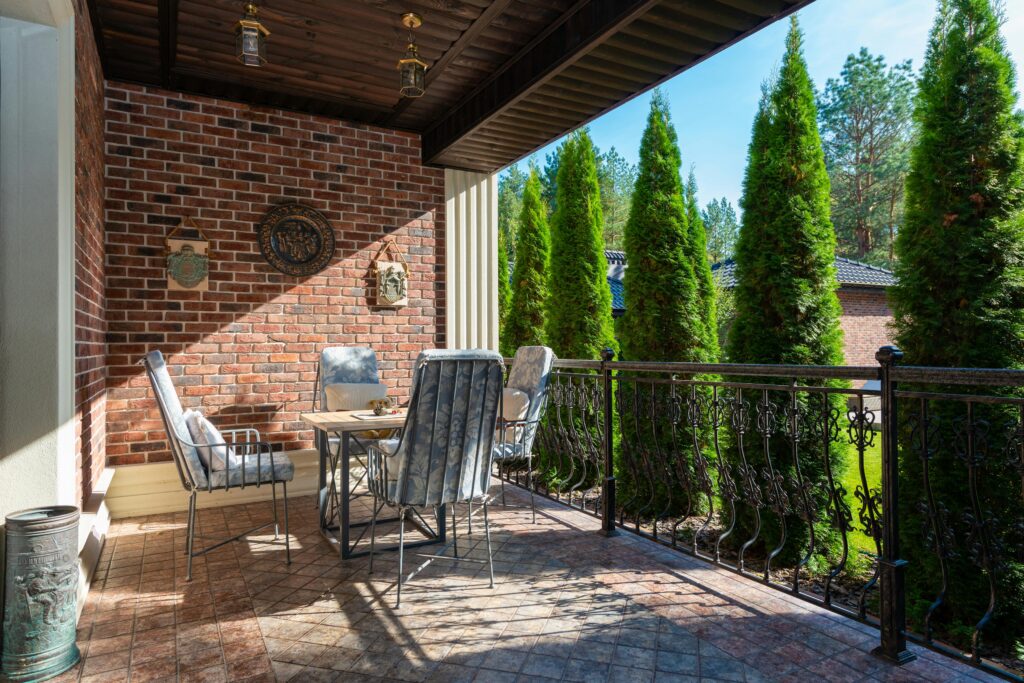
5. Hardwood (Tantimber or Similar Materials)
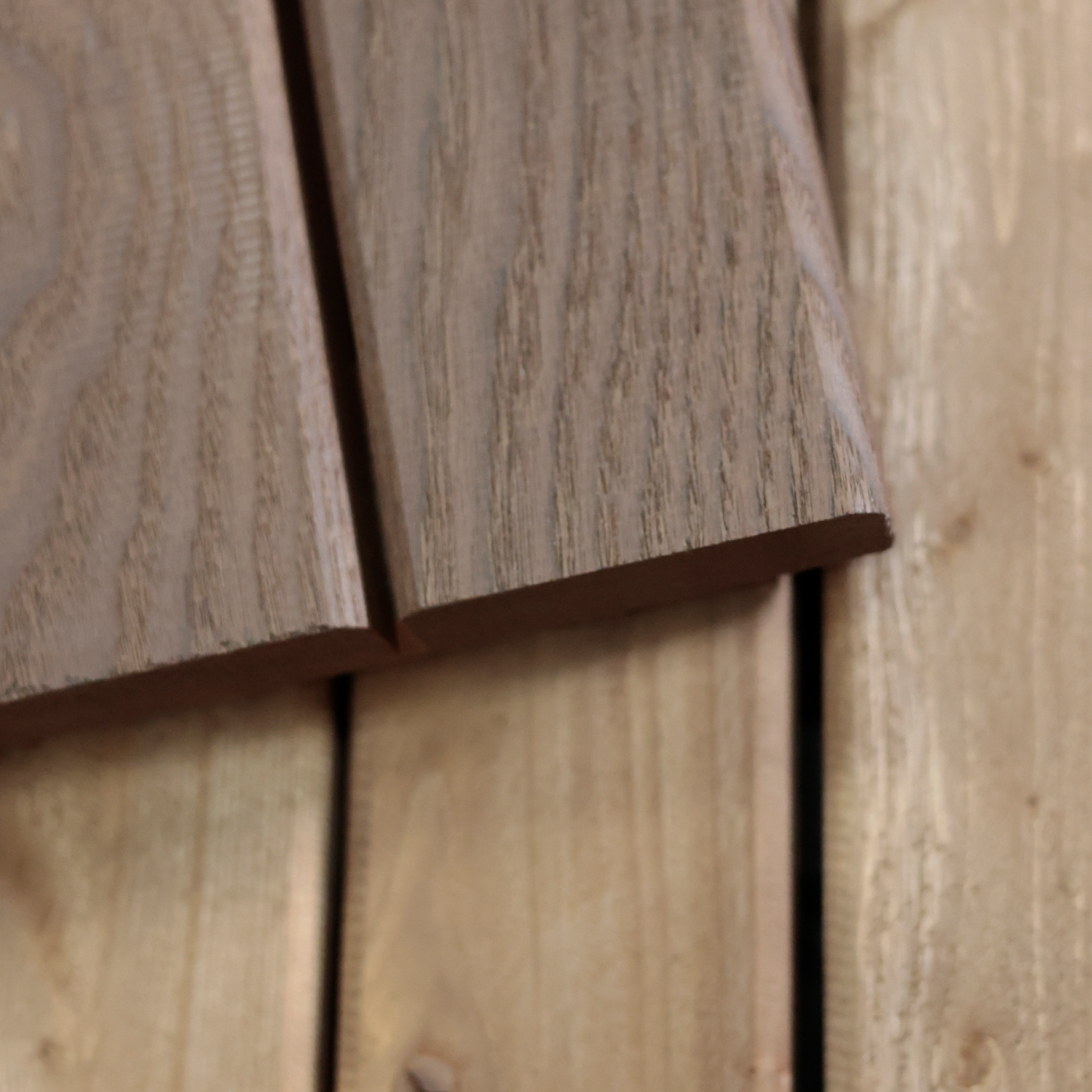
Hardwood is a strong choice for full deck replacement when you want a fresh structure with a natural and premium finish. It is widely used in new deck construction because of its solid strength and ability to handle outdoor conditions when installed correctly. This material enhances the overall look of your outdoor space by adding a rich and warm texture. In terms of long term value, hardwood offers durability and timeless appeal, but it needs regular care such as oiling or sealing to maintain its strength and appearance over the years.
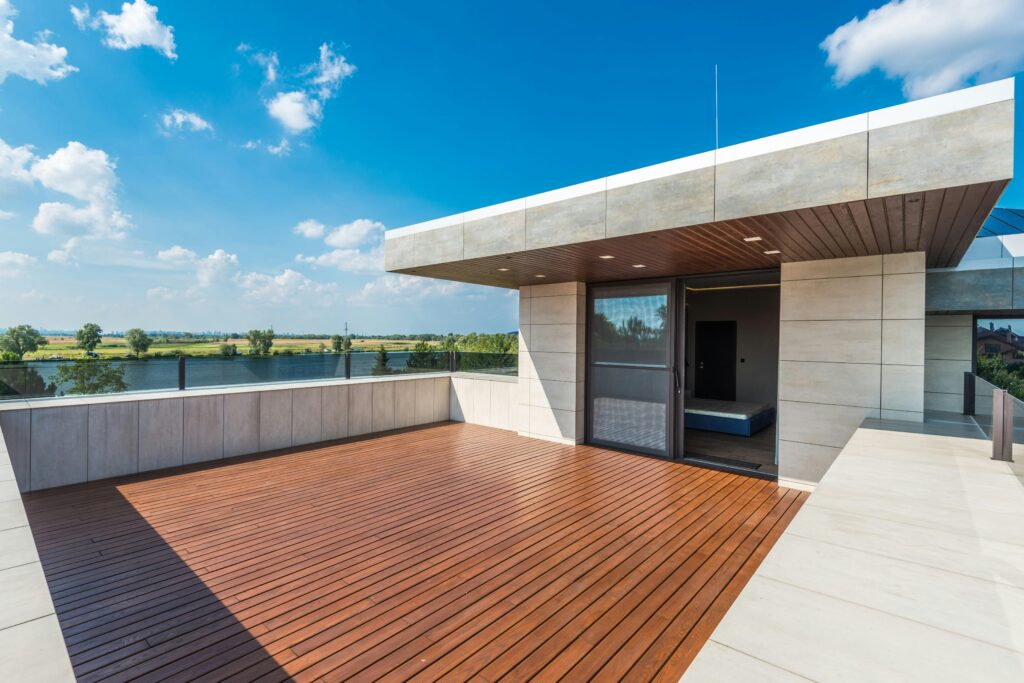
6. Porcelain Tiles (Elevated Systems)
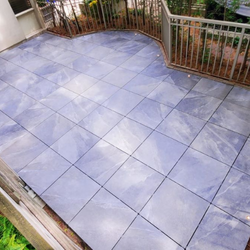
These tiles are a great choice for full deck replacement and advanced resurfacing when you want a modern and refined outdoor finish. These tiles are installed over raised pedestal systems, which help in proper drainage and create a smooth, level surface. They are especially suitable for contemporary outdoor spaces where both design and performance matter. In terms of long term value, porcelain tiles are highly durable, resistant to moisture, temperature changes, and stains, while also requiring very little maintenance, making them a reliable and long lasting solution.
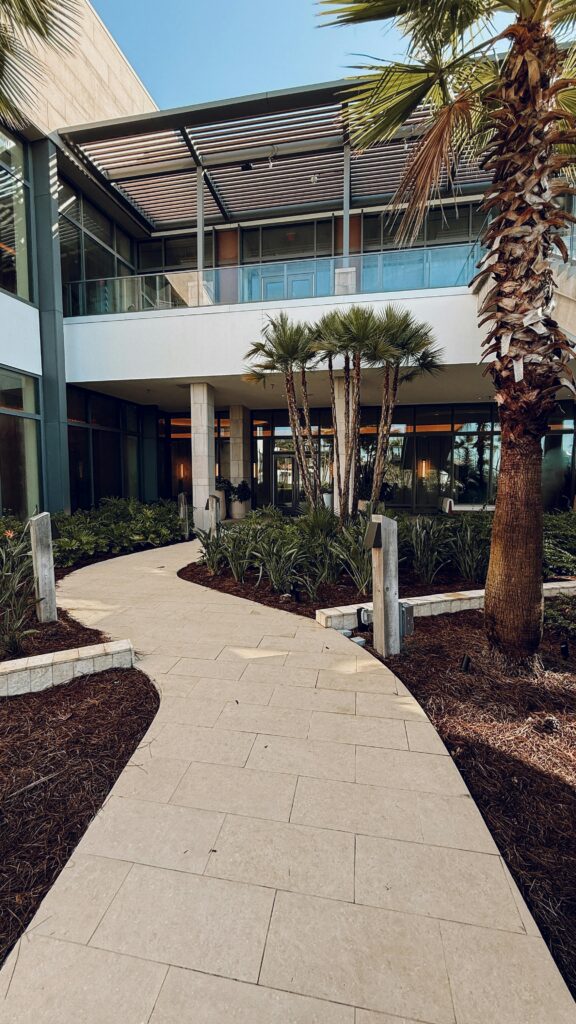
Overall, choosing the right material depends on your deck condition, design preference, budget, and long term maintenance expectations for your outdoor space.
Cost vs Long-Term Value
When deciding between deck resurfacing and full deck replacement, understanding real costs in Canada helps you make a practical choice. In today’s market, deck resurfacing cost typically ranges between $15 to $50 per square foot, depending on whether you choose wood or composite materials. This makes resurfacing a more affordable option when the structure is still in good condition.
On the other hand, full deck replacement in Canada usually costs around $45 to $100 per square foot, depending on materials, design, and complexity. Premium designs or elevated decks can go even higher. In terms of long term value, resurfacing works well for short to medium term upgrades and helps improve appearance without major investment. However, full replacement offers better durability, reduces future repair costs, and provides a stronger structure for long term use. The right decision depends on your deck condition, budget, and how long you plan to use your outdoor space.
Frequently Asked Questions on Deck Resurfacing
Ques: How much does it cost to resurface a wood deck?
Ans: At Designer Deck, wood deck resurfacing in Canada generally ranges between $15 to $40 per sq ft. The final cost depends on deck condition, repairs required, and selected finishing materials.
Ques: What is the best material for decking in Canada?
Ans: We recommend composite decking as one of the best options for Canadian weather. It offers long term durability, low maintenance, and strong resistance to moisture and temperature changes.
Ques: What is the cheapest way to cover an old deck?
Ans: The cheapest way to cover an old deck is using deck tiles or basic resurfacing solutions. They quickly improve the look of the space without needing full structural replacement.
Ques: Can I put composite decking over an existing deck?
Ans: Yes, you can prefer composite resurfacing over existing structures after proper inspection. The base deck must be stable and strong to ensure safe and long lasting installation.
Ques: How much is 500 sq ft of composite decking?
Ans: In Canada, 500 sq ft of composite decking usually costs between $10,000 to $25,000 installed. The price varies based on brand, design, labour, and project complexity.
Finally,
With an all round view on both deck resurfacing and full replacement, the right choice depends on your deck condition and outdoor needs today. Deck resurfacing works best when the structure is strong and only the surface needs a quick, affordable refresh for seasonal improvement. Full deck replacement is ideal when structural issues exist or a complete design transformation is required for better long term performance. At Designer Deck, we always suggest carefully inspecting your deck before making any final decision for safety assurance. This helps you invest in a durable solution that improves comfort, appearance, and long lasting value for your home outdoor space. For more information on outdoor renovation, hire a Designer Deck professional today.