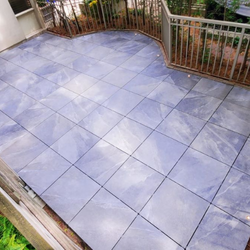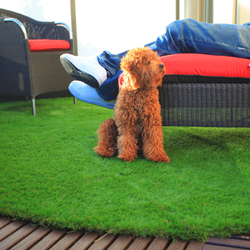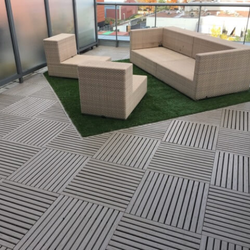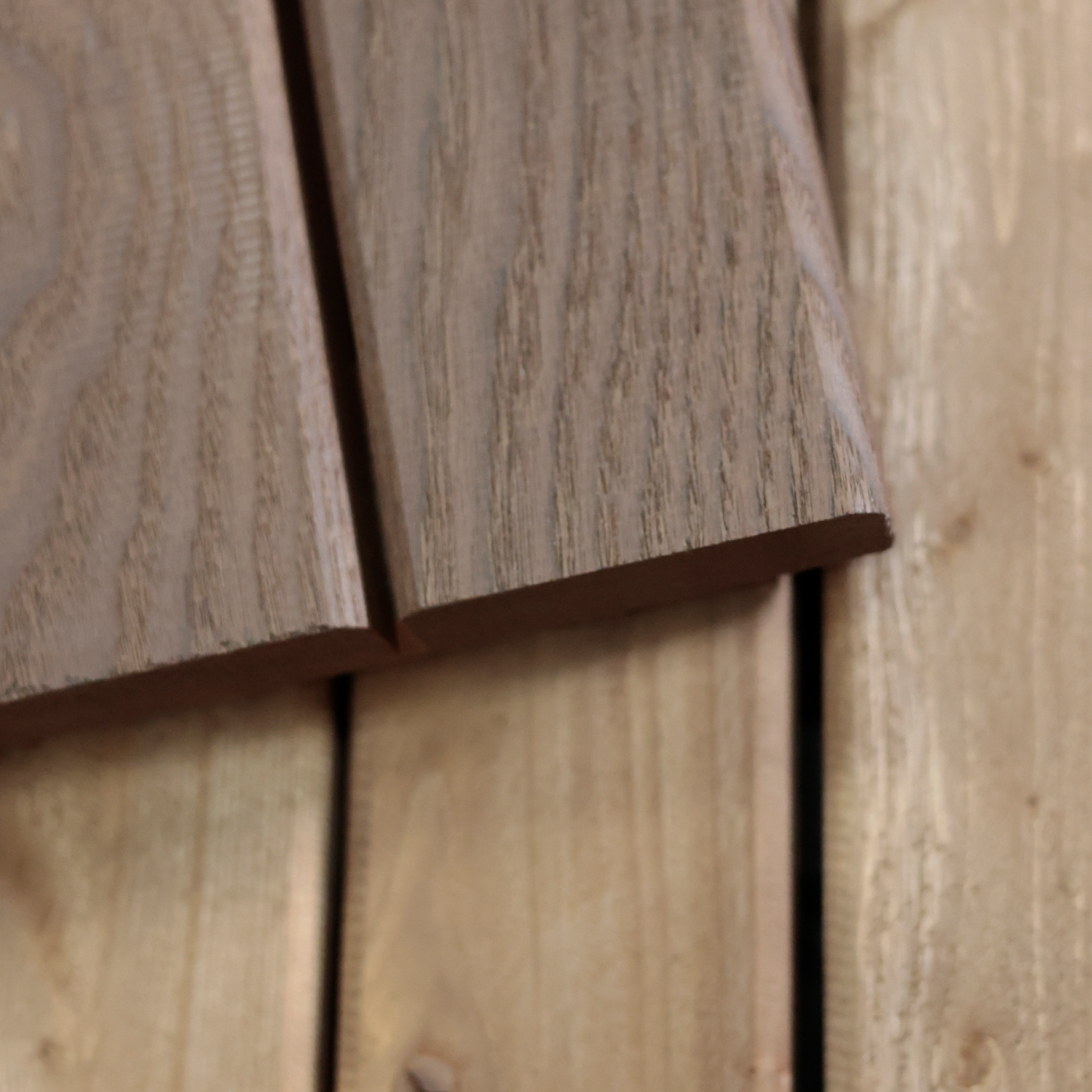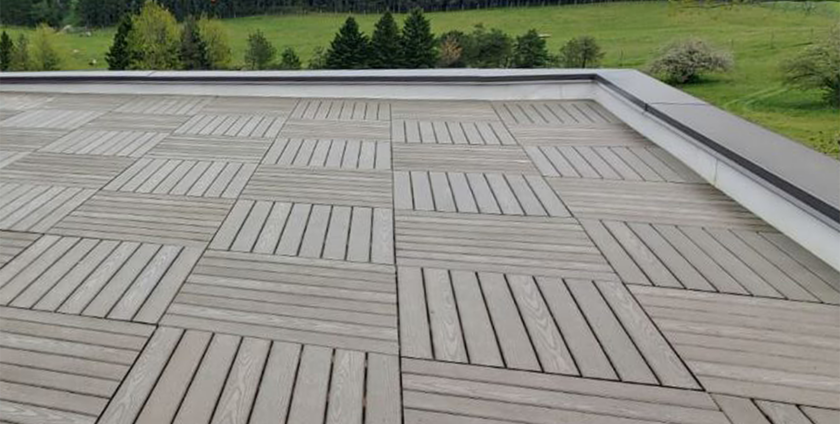
Would you like to browse our deck tile products and accessories?
If you have ever walked onto a rooftop terrace the day after a rainstorm and stepped into a puddle, you have experienced ponding water — and you have seen the early stage of a problem that can cost thousands in membrane repair if left alone.
Ponding is one of the most common issues with flat rooftops and terraces in Toronto, especially on older buildings and poorly graded slabs. Here is why it happens, what it does to your rooftop, and why interlocking deck tiles with integrated risers are the simplest, most permanent fix.
What Ponding Water Actually Is?
Ponding is any water that sits on a flat roof or terrace more than 48 hours after rainfall has stopped. Building codes generally treat any standing water beyond that window as a drainage failure, because it means the roof slope is not moving water toward the drains fast enough.
Why It Happens?
Three main reasons ponding develops:
- The original slope was too shallow — flat roofs are supposed to have a 2% slope minimum, and many do not
- The slab has settled unevenly over time, creating low spots that trap water
- Drains have been blocked by leaves, debris, or ice damming in winter
In Toronto, older concrete balconies and rooftops often have all three issues at once. The slab was poured years ago to slightly-off specs, it has settled unevenly, and drainage channels clog regularly.
Why Ponding Is A Real Problem?
It damages the waterproof membrane: Standing water accelerates breakdown of roofing membranes. UV exposure combined with continuous water contact degrades materials faster than either on its own. Ponding areas are almost always the first places a rooftop membrane fails.
It freezes and expands in winter: When ponded water freezes, it expands into cracks in the concrete below. Freeze-thaw cycles over many Canadian winters slowly destroy the slab from within. This is one of the biggest causes of concrete spalling on Toronto balconies.
It grows mold, algae, and insects: Stagnant water breeds organisms. Mold on a rooftop is a health issue for the people using the space. Algae stains the surface. Mosquito breeding is a real concern even on high-rise terraces.
It rots whatever sits on it: Outdoor rugs, wood furniture, and framed decks built directly on a ponding surface will rot, warp, and develop mold. This is why we never recommend outdoor rugs on condo balconies.
Why Pedestal Systems Are One Solution?
Pedestal paver systems elevate the walking surface several inches above the roof, allowing water to drain freely underneath regardless of minor slope issues. This is effective — and it is why commercial rooftops use pedestals for high-end installations. The catch is cost: pedestal systems land in the premium price range.
Why Interlocking Deck Tiles With Risers Solve It For Far Less?
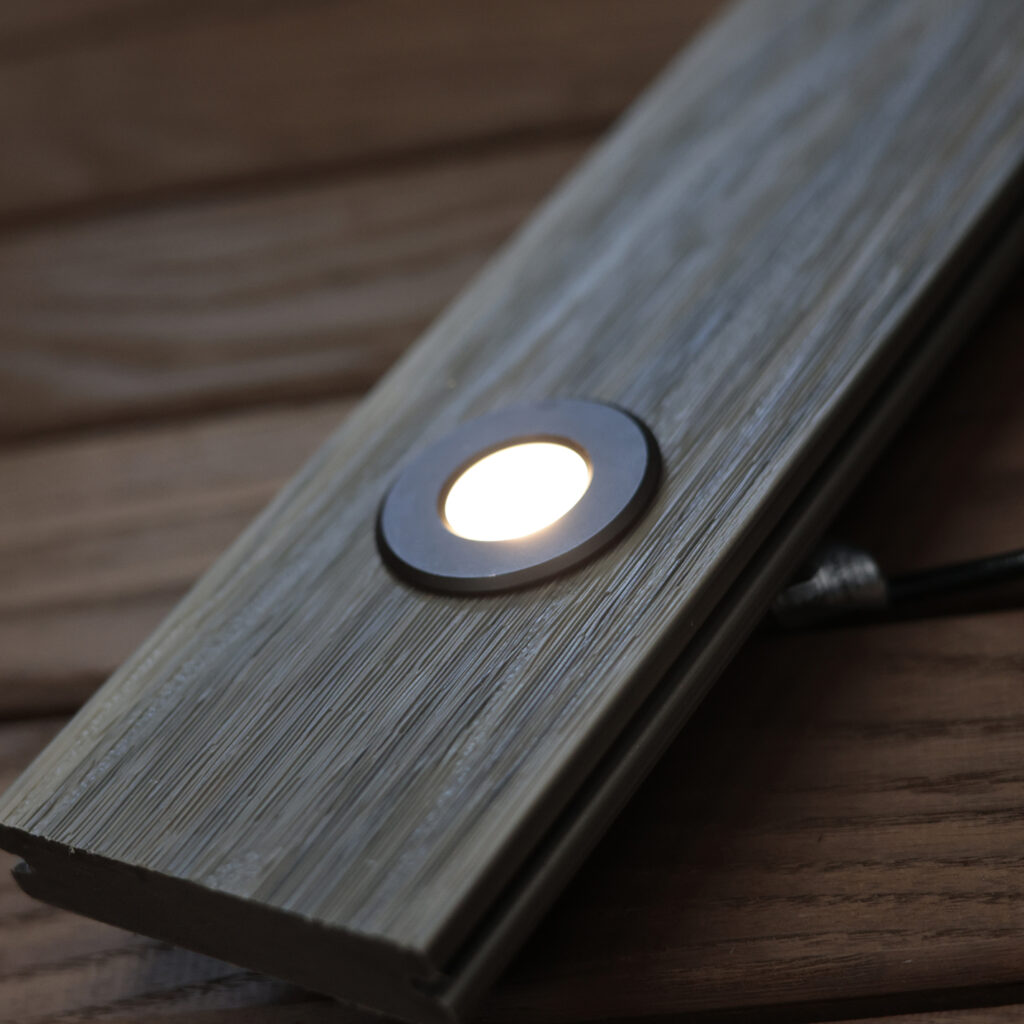
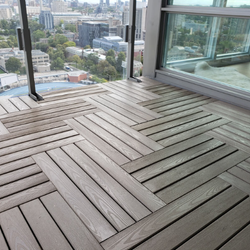
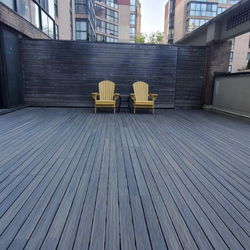
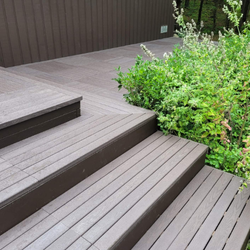
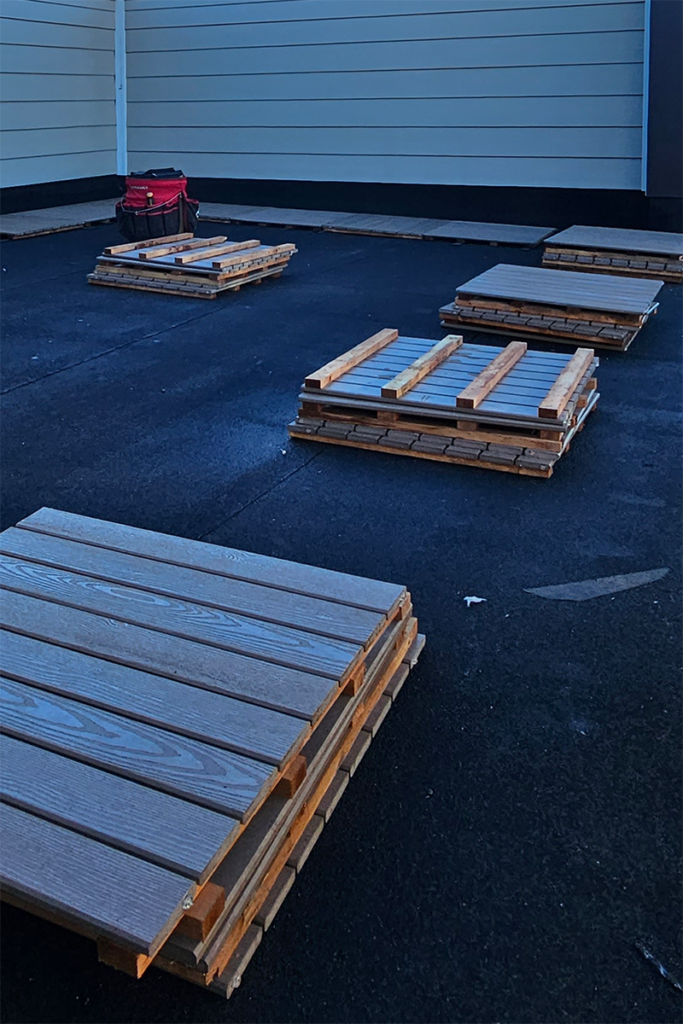
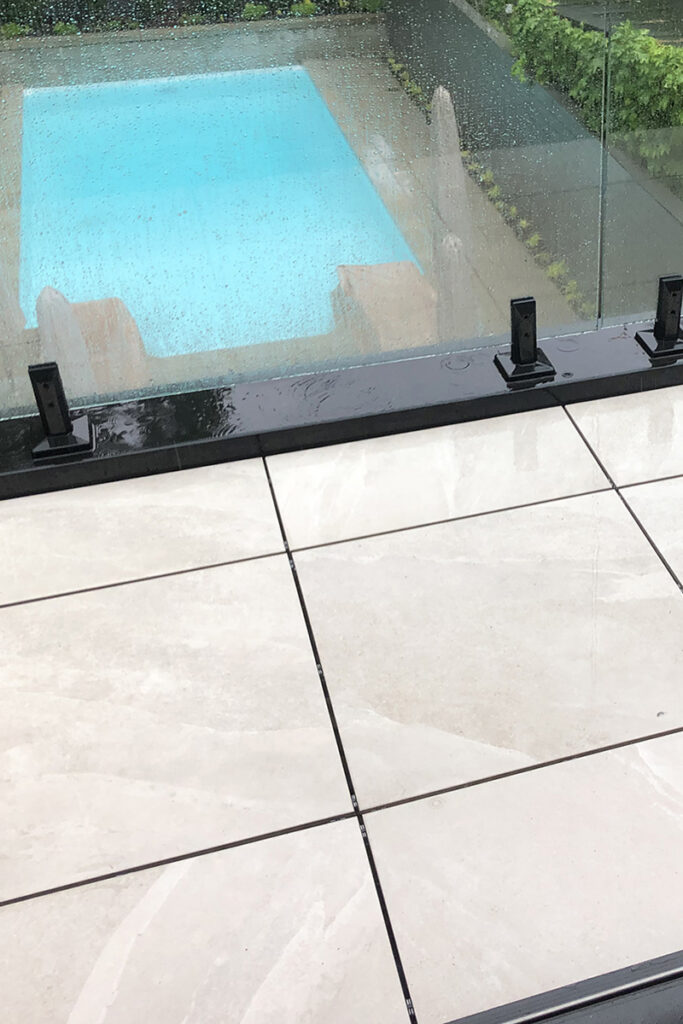
Every Designer Deck tile — whether porcelain, WPC, recycled plastic, or natural wood — sits on integrated risers. This creates an air and water gap between the tile surface and the slab underneath. Water that reaches the tiles flows under them toward the drains, rather than pooling on the surface.
The result: no puddles on the walking surface, continuous drainage, and significantly less stress on the waterproof membrane below. All for a fraction of the cost of a pedestal system.
A Word On What Deck Tiles Do Not Fix
Deck tiles solve the ponding problem at the walking surface. They do not fix a clogged drain or a failing waterproof membrane. If your rooftop has underlying drainage or membrane issues, those need to be addressed by a roofing contractor before or during tile installation. The good news: because Designer Deck tiles lift out easily, your roofing contractor can access the slab for repairs any time.
Signs Your Rooftop Has A Ponding Problem
- Visible puddles more than 48 hours after rain
- Dark or stained areas on the concrete
- Mold or algae growth on the slab
- Hairline cracks or spalling in concentrated areas
- A musty smell on the rooftop
- Water marks or efflorescence on railings or walls near the rooftop
How To Get Your Rooftop Assessed?
Designer Deck offers free in-home consultations across Ontario, including assessment of drainage and surface conditions before we quote a job. If your rooftop has ponding, we will tell you straight whether tiles alone will solve it or whether a roofing contractor needs to address underlying issues first.
Frequently Asked Questions
Ques: Can deck tiles cause more ponding if the slab is uneven?
Ans: No. Because the tiles sit on risers with an air gap, water flows freely underneath regardless of minor slope issues. Tiles actually improve overall drainage compared to bare concrete.
Ques: Will deck tiles hide a failing membrane?
Ans: They can cover it visually, but they do not repair it. If you suspect membrane failure, have a roofing contractor inspect before installation. Tiles lift out easily for future inspections.
Ques: Do the tiles themselves ever hold water?
Ans: Porcelain and recycled plastic tiles are non-absorbent. WPC has minimal absorption at the surface and none at the core. Water runs off the tile surface and drains underneath.
Ques: What if my rooftop has a low spot that drains are above?
Ans: This is a drainage design problem, not a tile problem. The area will still need proper drainage work. We can advise during consultation whether tile installation alone is sufficient or whether additional drainage solutions are needed.