Would you like to browse our deck tile products and accessories?
Condo boards and property managers field balcony flooring requests constantly. Most are easy declines — permanent installations, penetrating fasteners, or products that threaten the membrane warranty. A few are easy approvals — removable, non-penetrating, drainage-friendly systems that protect the slab rather than damaging it.
This guide explains what to look for, what to avoid, and why interlocking deck tiles from established Canadian manufacturers have become the default-approved option in ACMO-member buildings across Ontario.
What condo boards actually worry about?
- Damage to the concrete slab or waterproofing membrane
- Drainage path obstruction
- Access to window-washing anchors, utility boxes, and hatches
- Weight loading on older buildings
- Uniform appearance across the building
- Removability when a unit sells
- Product longevity in Canadian conditions
Every one of these concerns has a clear answer when the product in question is a quality interlocking deck tile.
Why interlocking deck tiles typically get approved?
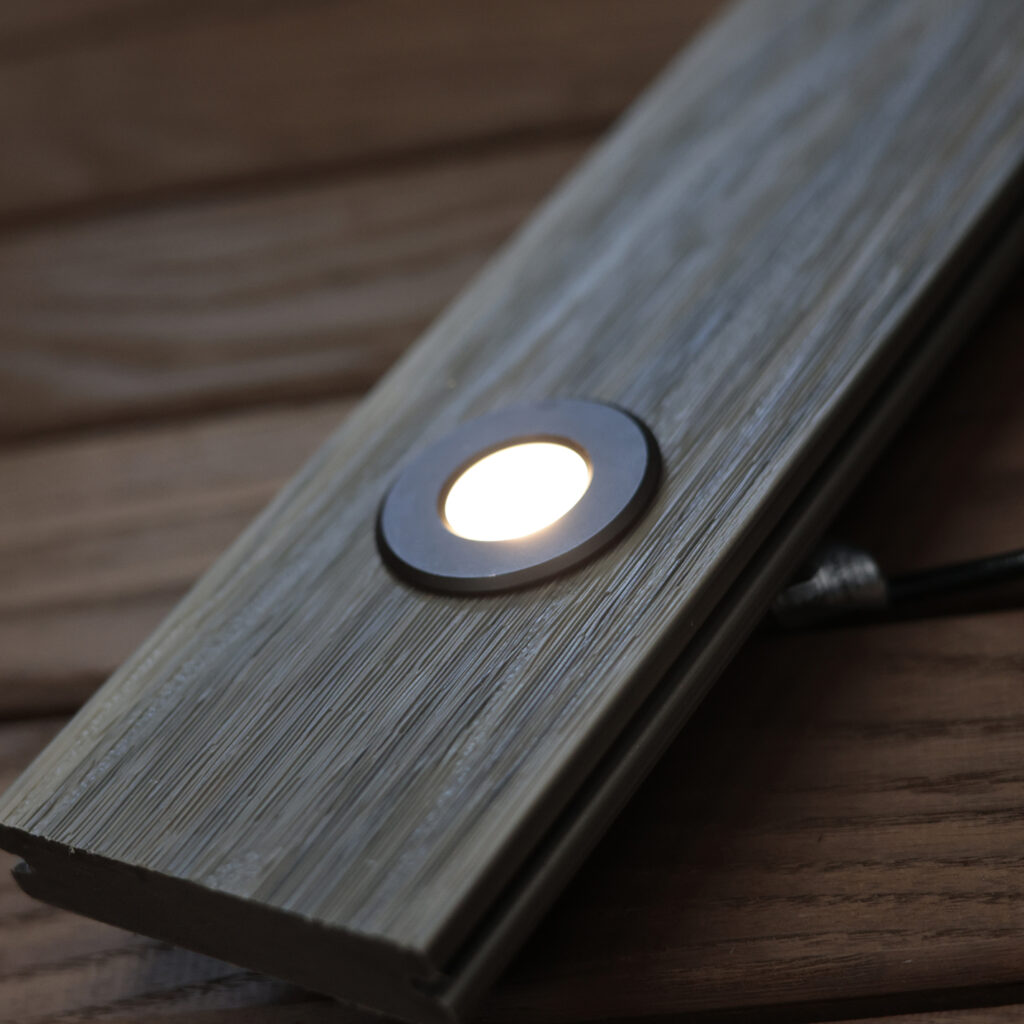
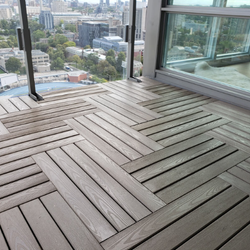
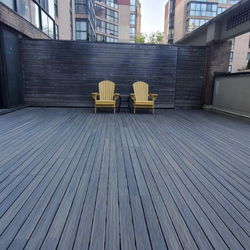
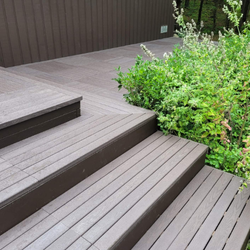
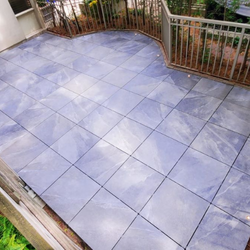
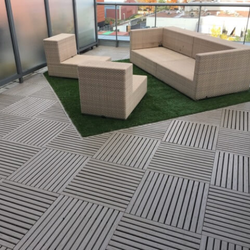
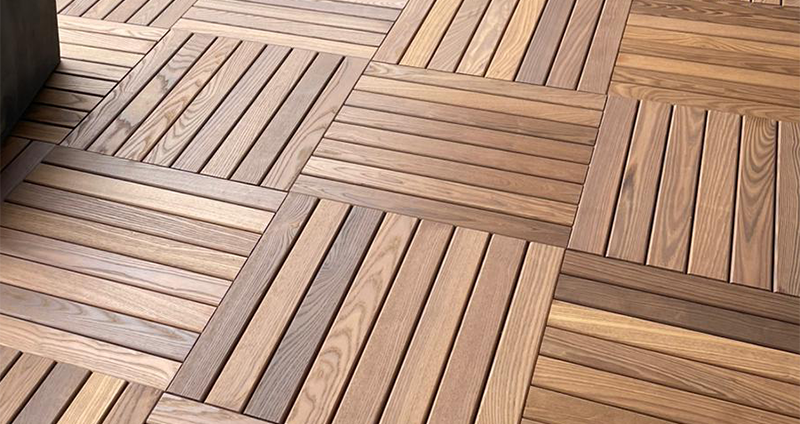
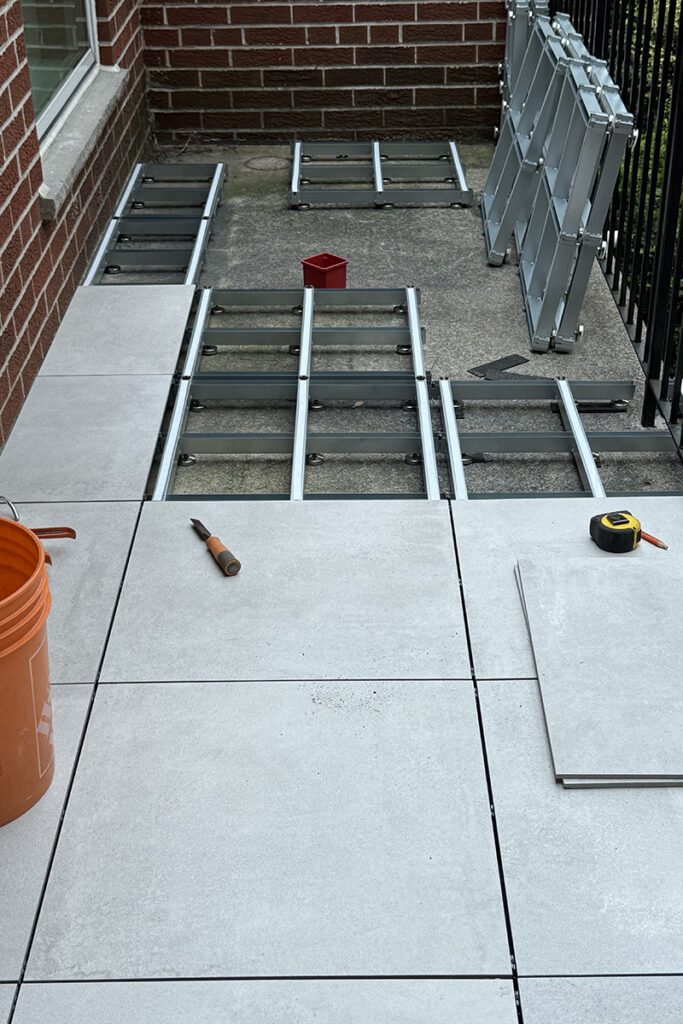
Interlocking deck tiles sit on top of the existing slab on small risers. No glue, no screws, no adhesive. They can be lifted in minutes for membrane inspection, window-washing access, or utility work. Water drains underneath rather than pooling. Weight per square foot is well within residential balcony limits. When a unit sells, the tiles lift out with the owner.
These are exactly the characteristics that address every major condo-board objection. It is why Designer Deck — an ACMO Associate Member and a Canadian manufacturer founded in 1983 by engineer Barry Spiers — has been installed in hundreds of buildings across Ontario.
What to avoid on condo balconies?
Epoxy or concrete coatings: These bond to the slab and can interfere with the waterproof membrane warranty. Difficult to remove, subject to freeze-thaw damage, and typically prohibited in condo declarations.
Framed wood decks with fasteners: Any penetration of the slab is almost always prohibited because it compromises waterproofing. This is the most common reason these get declined.
Outdoor rugs: Not a structural concern, but trap moisture, stain the slab, and often violate appearance rules in condo declarations.
Unknown-origin plastic tiles from big-box retailers: Lower-quality plastic tiles without UV inhibitors tend to degrade in Canadian sun, discolor, and shed microplastics onto rooftops and balconies. Boards should ask for manufacturer specs and warranty documentation.
What property managers should ask for?
- Manufacturer documentation (where and how it is made)
- Weight per square foot
- Fire rating (especially important in high-rise buildings)
- Drainage specification
- Warranty terms and duration
- Installation method (no penetrating fasteners, no adhesive)
- Removal process and slab protection
- References from other condo corporations
Why ACMO membership matters?
Designer Deck is an Associate Member of the Association of Condominium Managers of Ontario (ACMO). Membership signals that the manufacturer understands condo-specific requirements, carries appropriate insurance, and has a track record with Ontario condo corporations.
Building-wide installations
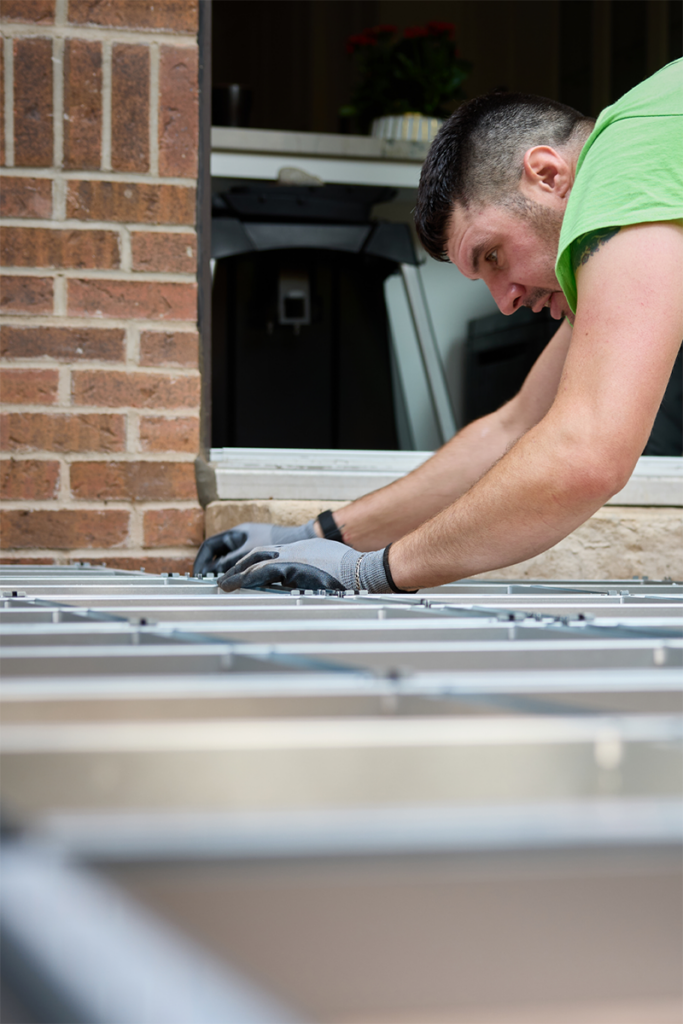
Some condo corporations approve balcony flooring building-wide, either as a standard amenity upgrade or as an option owners can select from an approved list. This creates a consistent appearance and eliminates per-unit approval work. Designer Deck offers building-wide programs for this scenario.
Frequently Asked Questions
Ques: Does a condo board need to approve interlocking deck tiles individually?
Ans: Most boards approve non-permanent installations through standard alteration request forms. Because interlocking tiles do not penetrate the slab or alter the structure, approval is typically straightforward. Always check your condo declaration.
Ques: What if the balcony has existing damage?
Ans: Deck tiles cover and protect the existing slab. They do not repair structural damage, but they also do not hide it — you can lift the tiles at any time for inspection or repair.
Ques: Can the tiles be removed if the corporation needs membrane work done?
Ans: Yes. This is one of the main reasons they are preferred. Tiles can be fully removed and reinstalled in a single day?.