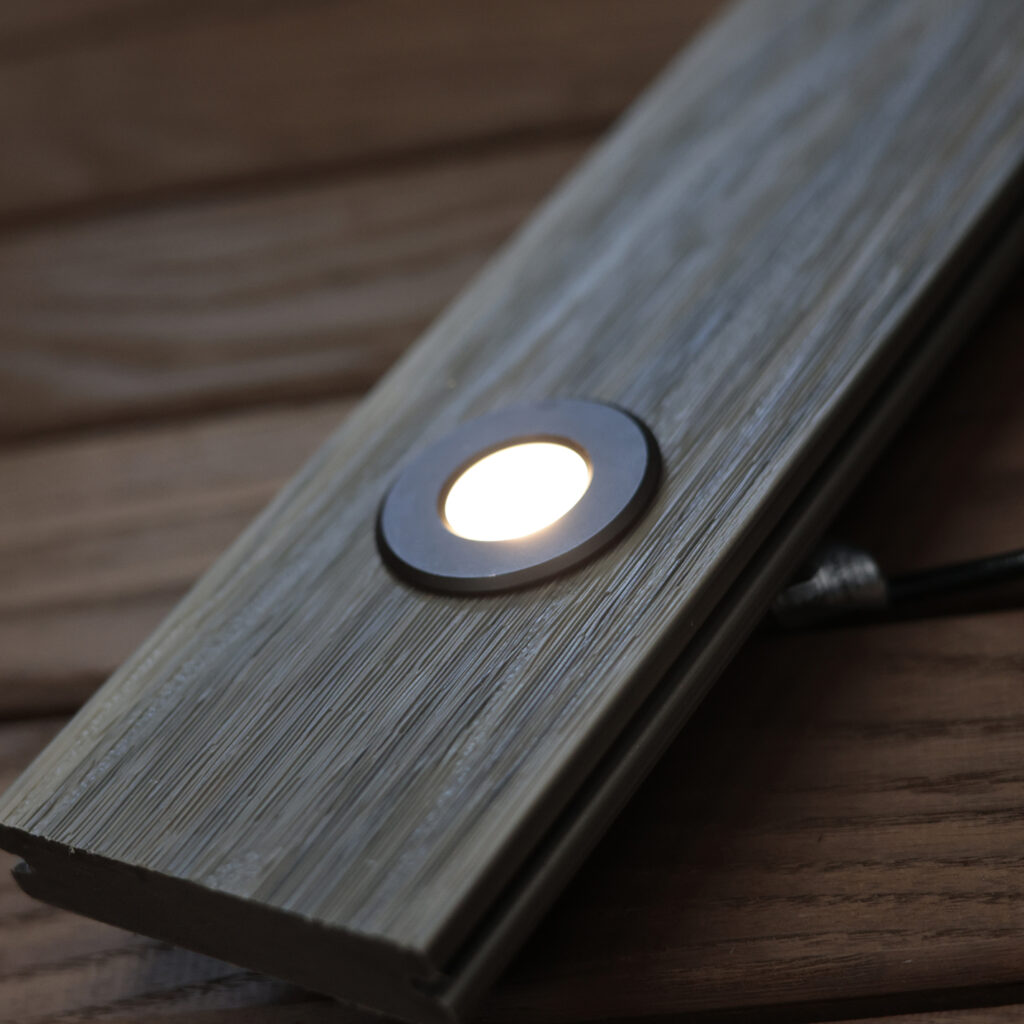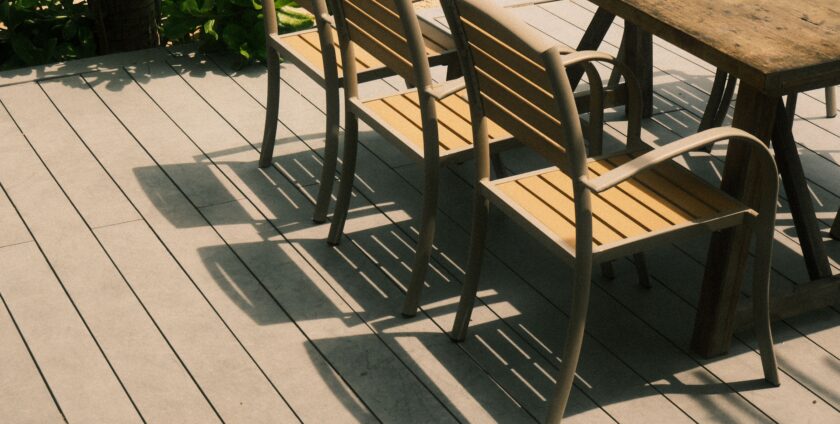
Would you like to browse our deck tile products and accessories?
Is your patio’s grace fading away and having surface cracks? Do you want to renovate it but within budget? Has your outdoor patio started losing the clean and polished surface finish it once had? Over time, continuous foot traffic, changing weather conditions, moisture exposure and sunlight can gradually affect the overall condition of patio flooring. As a result, small cracks, surface wear, uneven sections and faded textures can begin appearing across the patio area. These changes can slowly affect the visual flow and overall functionality of the outdoor surface.
Instead of moving towards complete reconstruction, many property owners prefer patio resurfacing as a practical renovation approach. A properly planned resurfacing project can help refresh existing patio surfaces while improving layout performance and surface appearance. At Designer Deck, we believe every outdoor flooring project begins with understanding the right materials and installation approach. This DIY guide will help you learn important considerations before starting your patio resurfacing project.
What Is Patio Resurfacing and Which Tile Flooring Works Best?
Patio resurfacing refers to renewing an existing outdoor floor layer without full structural replacement. It focuses on improving surface strength, appearance consistency, and usability through updated material installation. This process helps restore worn exterior slabs while maintaining the original base structure intact. Also, careful selection of surface material becomes essential, especially when dealing with exposure, load distribution and long-term performance requirements in outdoor environments.
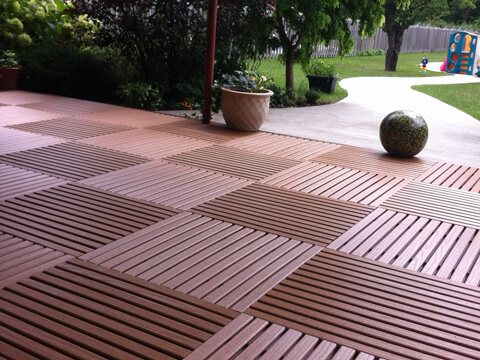
For effective results, material selection should balance durability, texture stability and weather resistance across changing conditions. Here is the recommended tile flooring for patio resurfacing:
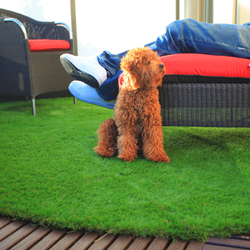
1. Recycled Plastic Tiles
Recycled Plastic Tiles are designed using reprocessed materials that support outdoor sustainability and practical usage. They offer a lightweight structure that is easy to install over existing surfaces without complex preparation. Their composition allows stable performance in moisture-prone areas, making them suitable for patios exposed to frequent weather changes. These tiles also provide consistent surface alignment, which helps maintain a clean and structured outdoor layout over time.
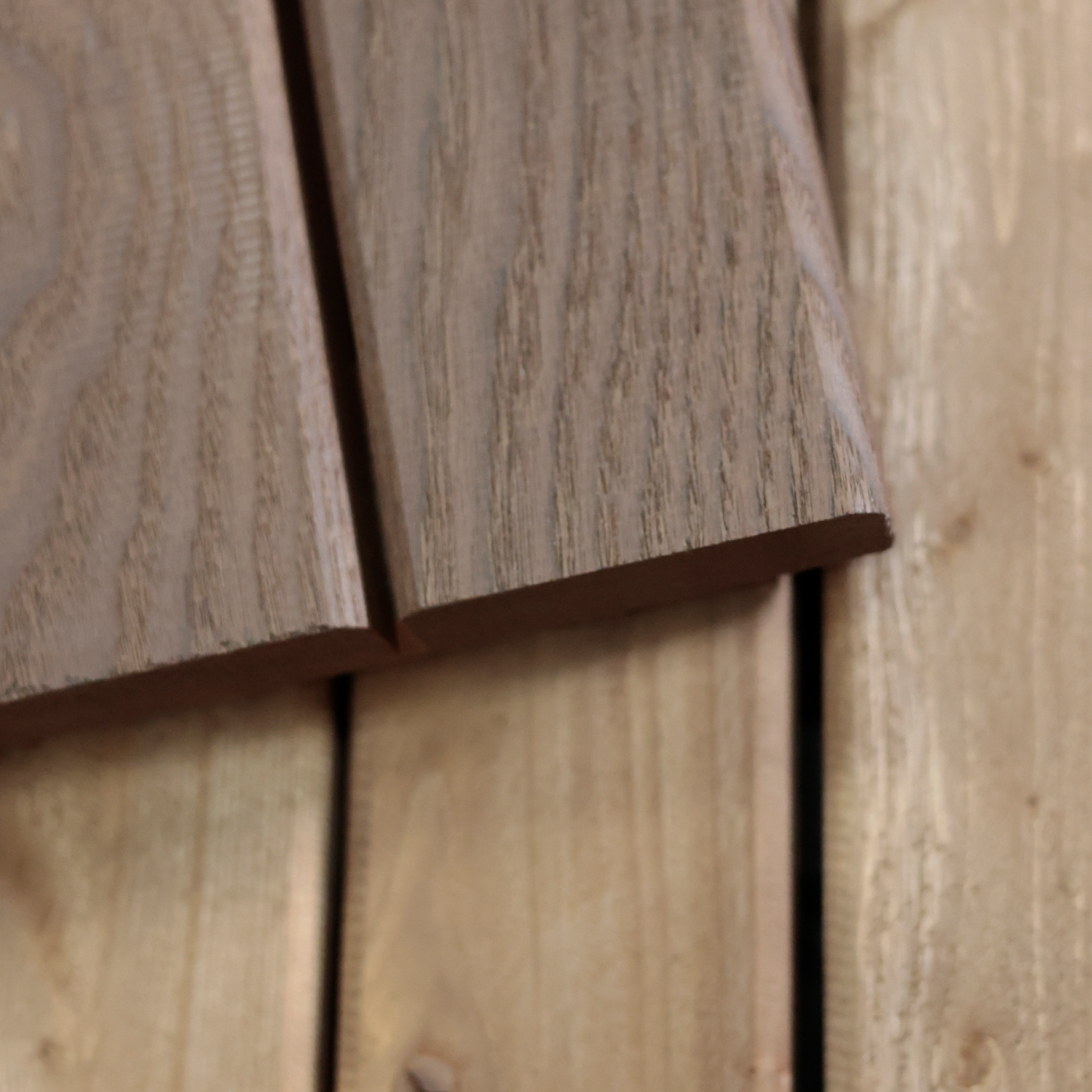
2. Tantimber Tile
Tantimber Tile brings a natural wood-inspired appearance while maintaining improved resistance to outdoor conditions. It is commonly selected for spaces that require a warm surface character combined with structural stability. The material supports long-term usage in seating zones and semi-covered patios where design and comfort both matter. Its surface finish helps create a visually balanced outdoor environment without compromising durability.
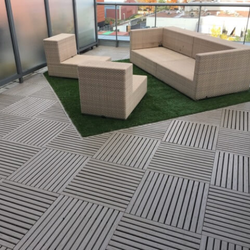
3. Wood Plastic Composite
Wood Plastic Composite offers a balanced combination of wood aesthetics and polymer strength. It performs well in outdoor environments where temperature changes and regular usage are common. The material maintains shape stability while reducing risks of cracking or surface deformation. It is often used in modern patio layouts that require both visual consistency and long-term reliability.
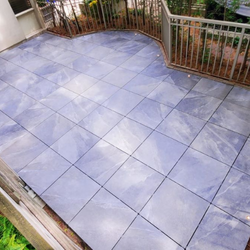
4. Porsets – Porcelain Pavers
Porsets Porcelain Pavers are high-density flooring solutions designed for advanced outdoor applications. They support elevated installation systems and can be placed using adjustable deck pedestals for uneven surfaces. Their compact structure ensures strong load-bearing capacity along with precise surface alignment. These pavers are widely used in modern patio resurfacing projects where durability, design flexibility, and long service performance are required.
Before you start resurfacing a patio, check a few essential surface conditions, measurements, and drainage factors to ensure a stable installation process.
Things to Check Before Starting a DIY Patio Resurfacing Project
Proper planning always begins with a clear understanding of the existing surface condition and installation requirements. These checks help avoid future surface issues and support long-term flooring performance.
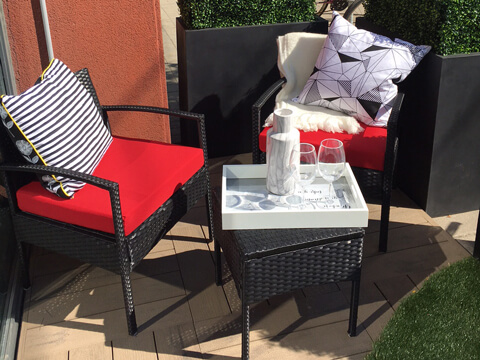
1. Existing Surface Condition
Inspect the current patio base for cracks, hollow sections, loose material, or uneven patches. A stable foundation ensures that the new resurfacing layer performs consistently without movement or early damage.
2. Surface Level and Slope
Check whether the patio has proper leveling or an intentional slope for water flow. Uneven gradients can affect tile alignment and may lead to water accumulation on the surface.
3. Drainage Flow Path
Observe how rainwater moves across the area. Effective drainage prevents moisture buildup beneath the surface and supports long-term structural stability of the flooring system.
4. Accurate Area Measurement
Measure the complete patio area carefully before selecting materials. Proper calculations help in material planning and reduce unnecessary wastage during installation.
5. Intended Usage Pattern
Understand how the space will be used, such as seating, walking, or outdoor dining. Usage patterns help determine suitable tile strength, texture, and installation method.
6. Environmental Exposure
Evaluate sunlight exposure, rainfall impact, and seasonal temperature changes. These factors directly influence material selection and long-term surface performance.
These considerations create a strong base for selecting the right resurfacing method and ensure a more reliable and structured patio renovation outcome. Also, check a few visible signs on the surface that clearly indicate whether resurfacing is required or not.
Other Signs That Your Patio May Need Resurfacing
Recognizing early surface issues can help prevent further damage and maintain better outdoor flooring performance over time.
1. Surface Cracks
Small or spreading cracks on the patio surface often indicate structural stress or material aging. If ignored, these cracks may expand and affect the stability of the flooring layer.
2. Fading and Wear
Continuous exposure to sunlight, rain, and regular use can reduce surface color depth and texture clarity. This fading gradually affects the visual consistency of the patio area.
3. Uneven Sections
Height differences or sunken areas on the surface can create an unbalanced walking experience. Such unevenness usually suggests base movement or long-term settlement issues.
4. Water Accumulation Areas
If water stays on certain parts of the patio after rainfall, it indicates drainage imbalance. Standing water can weaken surface material over time and affect durability.
5. Loose Surface Materials
Movement or loosening of tiles, pavers, or surface layers is a clear sign that the existing installation is no longer stable and may require resurfacing intervention.
These indicators help in identifying the right time to plan a resurfacing project and ensure better long-term performance of the outdoor surface system. Furthermore, to prevent cracks in the tiles while patio resurfacing you must use adjustable deck pedestals. With this support system, you can lay down deck tiles on a patio on an uneven surface too.
How Adjustable Deck Pedestals Can Support Patio Resurfacing Projects?
Adjustable deck pedestals play an important role in modern patio resurfacing projects by creating a stable and level flooring structure over uneven base conditions. They allow precise height adjustment, which helps align porcelain pavers and other tile systems without requiring complete base reconstruction. This makes them especially useful for outdoor areas where ground levels are not uniform or where drainage control is required.
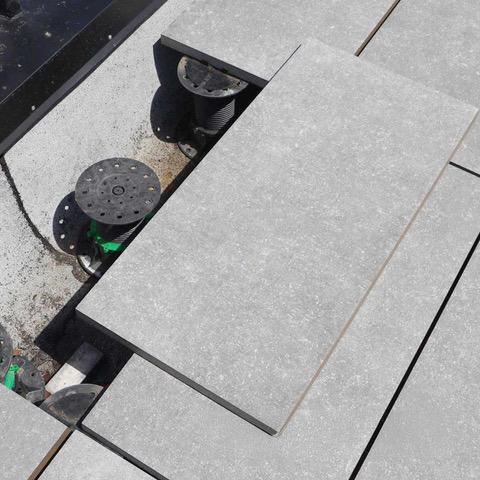
One of the key advantages of pedestal systems is improved water management beneath the surface. The elevated gap created between the base and tiles allows rainwater to flow freely, reducing the chances of water accumulation and surface damage. This also supports better airflow, which helps maintain long-term structural stability of the installed flooring system.
In addition, adjustable deck pedestals simplify installation by reducing surface preparation requirements. Instead of leveling the entire base, the system allows quick adjustments to achieve a smooth and consistent finish. This makes them a practical solution for DIY patio resurfacing projects where efficiency, accuracy and durability are equally important.
Common DIY Patio Resurfacing Mistakes to Avoid
Many resurfacing projects fail not because of material choice, but due to avoidable mistakes during preparation and execution. Paying attention to these details helps create a more stable, clean, and long-lasting outdoor flooring result. Avoid these common DIY patio resurfacing mistakes listed below:
- Skipping proper surface inspection before starting the resurfacing process
- Ignoring cracks, uneven areas, or hidden base damage beneath the existing floor
- Choosing flooring material only based on appearance instead of performance requirements
- Overlooking durability, thickness, and weather resistance for outdoor conditions
- Not planning proper drainage, leading to water accumulation after rainfall
- Installing tiles without considering slope or water flow direction
- Incorrect measurement of patio dimensions before ordering materials
- This can lead to wastage or shortage of flooring materials during installation
- Ignoring the importance of base preparation and leveling adjustments
- Uneven surfaces can reduce stability and affect long-term flooring performance
- Selecting unsuitable tile systems for high-traffic or exposed outdoor areas
- Some materials may not perform well under continuous environmental exposure
Understanding these common mistakes helps ensure a smoother, more reliable and longer-lasting patio resurfacing project from start to finish. Last but not least, Designer Deck always guides its users with practical solutions and reliable flooring systems to avoid such installation errors.
Frequently Asked Questions on Patio Resurfacing
Ques: Do it yourself patio resurfacing?
Ans: DIY patio resurfacing involves upgrading an existing patio surface without full replacement. It requires proper surface preparation, correct material selection and careful installation for long-lasting outdoor performance.
Ques: Can I cheaply cover an old mismatched concrete patio?
Ans: Yes, inexpensive ways to cover a concrete patio include tiles, pavers or composite decking solutions. These options help improve appearance while staying within a practical renovation budget.
Ques: What does vinegar do to concrete?
Ans: Vinegar can help remove dirt, stains and surface buildup from concrete patios. However, it should be used carefully because strong acidic contact may affect surface finish over time.
Ques: What can I put over a concrete patio to make it look better?
Ans: Concrete patio resurfacing options include porcelain pavers, recycled plastic tiles, WPC decking and stone-look finishes. These materials improve both visual appeal and surface functionality.
Ques: Is DIY patio resurfacing near me a good option for small projects?
Ans: DIY patio resurfacing near me searches usually relate to small residential upgrades. These projects are suitable when the base is stable and only surface improvement is required.
Ques: What is included in a DIY patio resurfacing kit?
Ans: A DIY patio resurfacing kit may include tiles, adhesives or support systems and installation accessories. It depends on the chosen flooring type and project requirements.
Ques: How much does it cost to resurface a concrete patio?
Ans: Resurface concrete patio cost depends on area size, material type and installation method. Simple resurfacing is usually more affordable than complete patio reconstruction.
Ques: Can I do concrete patio resurfacing myself without professional help?
Ans: Yes, concrete patio resurfacing DIY is possible with proper tools and planning. However, surface leveling and drainage considerations must be handled carefully for best results.
Ques: What are the most durable materials for patio resurfacing?
Ans: Durable options include porcelain pavers, WPC decking and composite tiles. These materials handle weather exposure well and maintain long-term surface stability.
To Wrap It Up All,
Patio resurfacing is a practical way to upgrade outdoor spaces without full reconstruction. With the right materials and planning, even DIY projects can deliver strong and lasting results. For more information and expert help, contact our team. Must hire a Designer Deck pro for professional support and perfect installation of deck tiles and patio resurfacing.