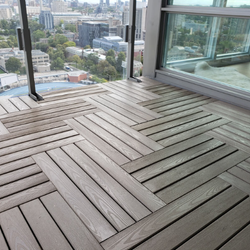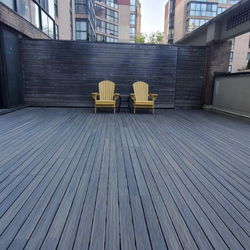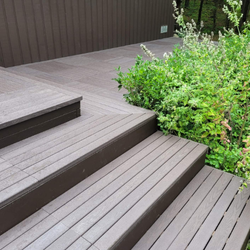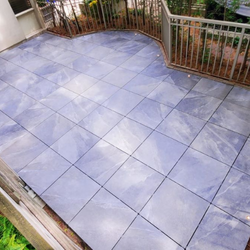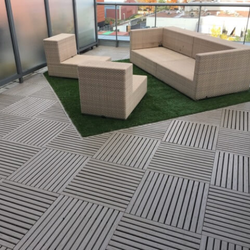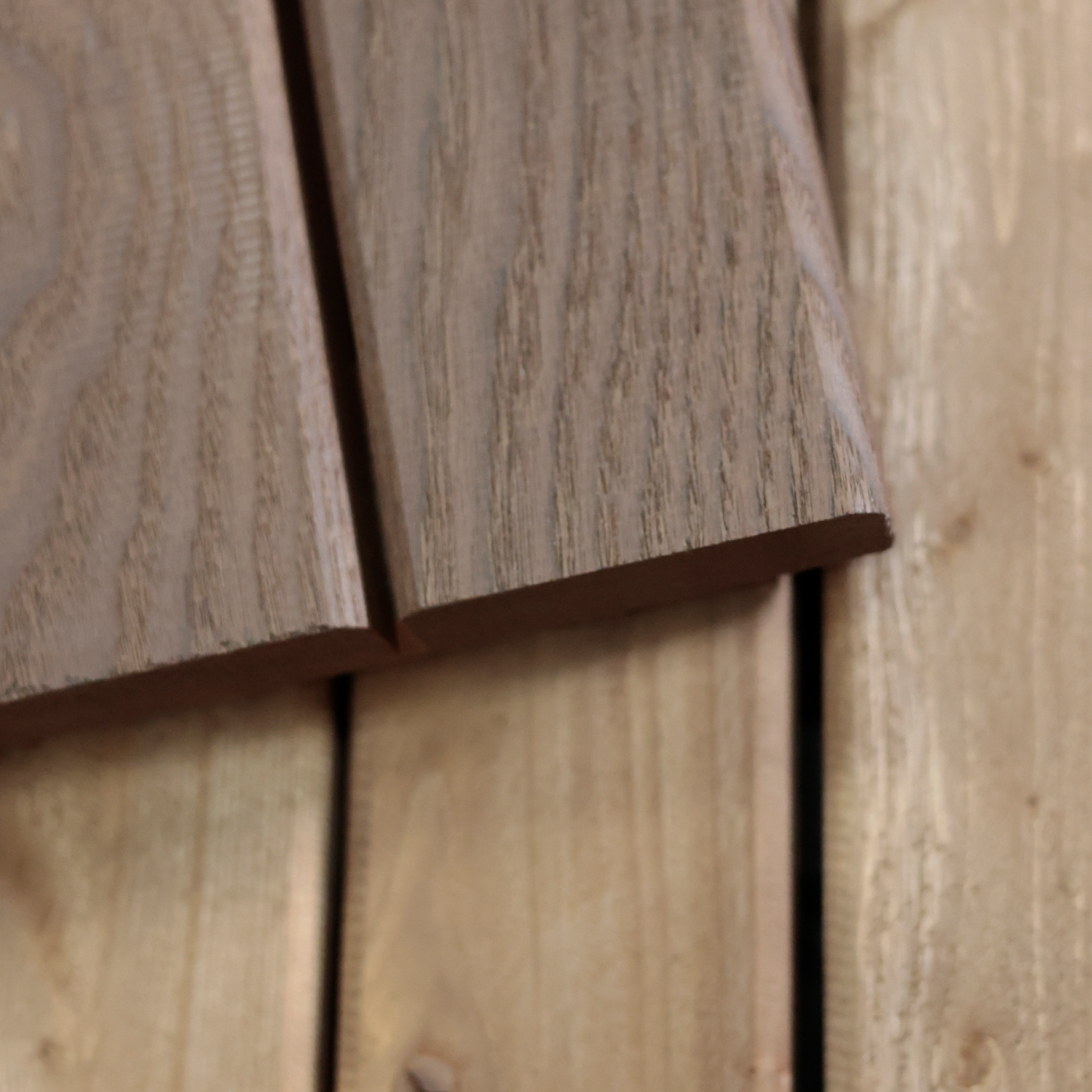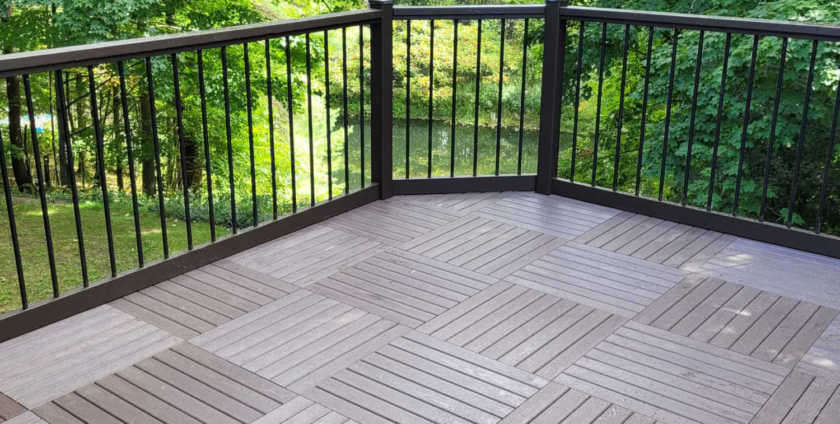
Would you like to browse our deck tile products and accessories?
Sustainable outdoor flooring is a category where marketing has outrun reality. Every product claims to be “green.” Few actually are. If you care about what you are putting on your balcony or rooftop, here is the honest look at which eco-friendly deck tiles options are genuine, what “sustainable” actually means in this category, and how to cut through the greenwashing.
What Sustainability Actually Means for Outdoor Flooring?
Four real factors determine whether an outdoor product is genuinely sustainable:
- Input material (recycled content vs. virgin material)
- Manufacturing footprint (where and how it is made)
- Durability (how long before it needs replacement)
- End-of-life options (can it be recycled or does it end up in landfill)
A product is not sustainable just because it contains “recycled content.” It needs to do reasonably well on all four factors.
Recycled Plastic Deck Tiles — the Genuinely Eco-friendly Deck Tiles Option
1. Input material: Recycled plastic is one of the eco-friendly deck tiles and is 100% recycled plastic. Material that would otherwise have gone to landfill, diverted and given a long second life as a deck tile. Designer Deck’s recycled plastic lines (Vivid and Contour Collections) are made from recycled material sourced in Canada.
2. Manufacturing footprint: Canadian-manufactured in Ontario. Reduces transportation emissions compared to imported alternatives.
3. Durability: Decades of outdoor life. UV-protected. Mold-proof. Freeze-thaw stable. The longer a product lasts, the better its per-year environmental footprint.
4. End-of-life options: Recyclable back into the plastic stream at the end of useful life.
5. Net verdict: Genuinely the most eco-friendly outdoor flooring option in the Designer Deck range. If sustainability is your top priority, this is the pick.
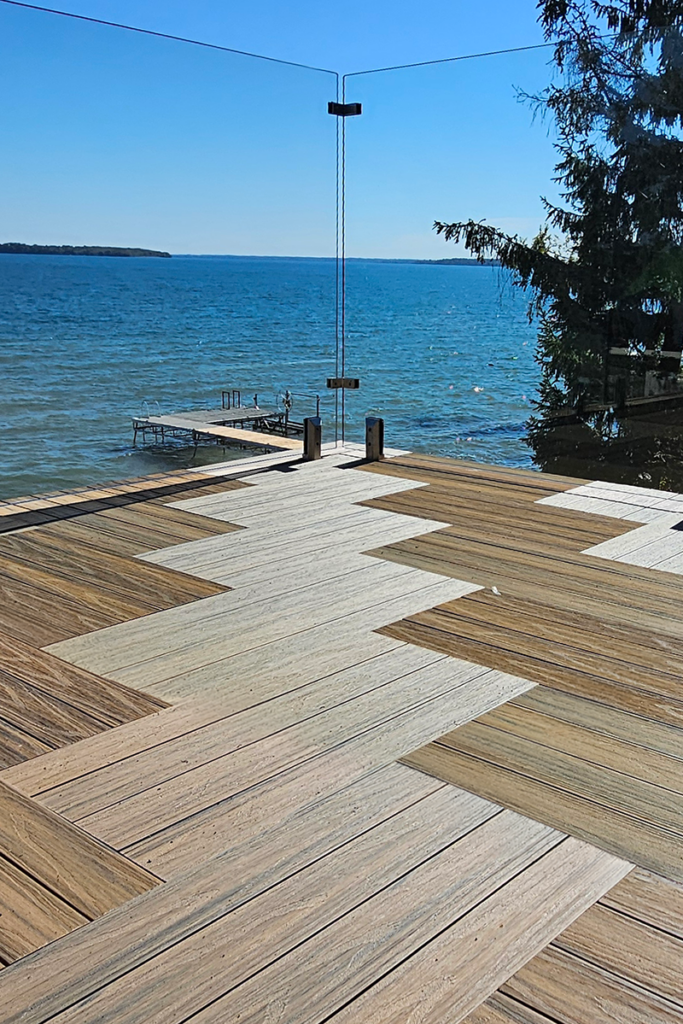
Wood-plastic Composite (WPC) — Partial Sustainability
1. Input material: Combines recycled plastic with wood fibres. Recycled content varies by product line. Designer Deck’s WPC (Opulent Collection) uses recycled plastic bonded with wood.
2. Manufacturing footprint: Canadian-manufactured. Moderate processing energy.
3. Durability: Very good long-term durability, reducing replacement cycles.
4. End-of-life options: More complex than pure plastic because of the composite nature. Harder to recycle than single-material products.
5. Net verdict: Genuinely sustainable on balance, but not as clean a sustainability story as pure recycled plastic.
Responsibly Sourced Wood Eco-Friendly Deck Tiles — a Real Alternative
1. Input material: Pressure-treated pine, Western red cedar, or Tantimber hardwood. Naturally renewable material, with cedar offering particularly strong sustainability credentials when sourced from certified forests.
2. Manufacturing footprint: Depends heavily on source. Canadian-harvested cedar carries a small footprint. Tropical hardwoods have a larger footprint unless certified.
3. Durability: Decades of life with minimal care. Patinates gracefully. Natural wood is the only material that actually becomes more beautiful as it ages.
4. End-of-life options: Biodegradable. At end of life, the material returns to the natural carbon cycle. The best end-of-life story of any deck tile material.
5. Net verdict: Strong sustainability case when responsibly sourced. Cedar in particular is one of the cleanest material choices available.
Porcelain — a Different Sustainability Story
1. Input material: Clay and minerals, fired at high temperature. Renewable in the sense that clay is abundant; high-energy in manufacturing.
2. Manufacturing footprint: Higher than plastic or wood due to kiln-firing energy. Typically imported from Italy or Spain.
3. Durability: The longest effective lifespan of any option. Porcelain installations often outlast the buildings they are installed on. High durability compensates significantly for higher manufacturing footprint.
4. End-of-life options: Can be crushed and used as aggregate. Not biodegradable.
5. Net verdict: Sustainability through longevity rather than low footprint. Valid but different story than the other options.
Greenwashing to Watch Out for
1. “Made from plants” claims on plastic products: Small bio-content in a mostly plastic product does not make it sustainable. Check actual percentages.
2. “Eco-friendly deck tiles” with no documentation: Real sustainability claims come with documentation — material composition, manufacturer certifications, source information.
3. Tropical hardwoods without FSC certification: Some exotic hardwoods come from forests that are not managed sustainably. Ask for Forest Stewardship Council (FSC) certification on tropical species.
4. Products with very short life claims: A product marketed as “compostable” or “biodegradable” that only lasts one season is not sustainable — it is disposable.
Certifications and Standards to Look for
- Forest Stewardship Council (FSC) for wood products
- Canadian Standards Association (CSA) for material testing
- Recycled content documentation from manufacturer
- Canadian-manufactured designation for transportation footprint
How Designer Deck Approaches Sustainability?
Our whole eco-friendly deck tiles product line is Canadian-manufactured, which reduces transportation emissions compared to imported decking products. Our recycled plastic lines use post-consumer material. Our wood products are sourced from Canadian mills. Our WPC combines recycled content with wood. And all our products are engineered to last decades — which matters more than any single sustainability claim.
Frequently Asked Questions
Ques: What is the greenest outdoor flooring option for a condo balcony?
Ans: Recycled plastic deck tiles have the cleanest sustainability story for most Toronto condo applications — high recycled content, Canadian-made, long life, and recyclable at end of life.
Ques: Is composite decking actually sustainable?
Ans: Partially. Recycled content varies widely by manufacturer. Read product documentation and favor brands that publish actual composition details.
Ques: Can I compost old wood deck tiles?
Ans: Untreated cedar or hardwood yes. Pressure-treated wood no — chemical treatment disqualifies it from composting. Pressure-treated wood should go through regular waste channels.
Ques: What happens to deck tiles when I am done with them?
Ans: Quality tiles have enough life left that they rarely hit end-of-life during a normal owner’s timeline. Designer Deck tiles can often be lifted, cleaned, and reinstalled at a new property or sold to another owner.