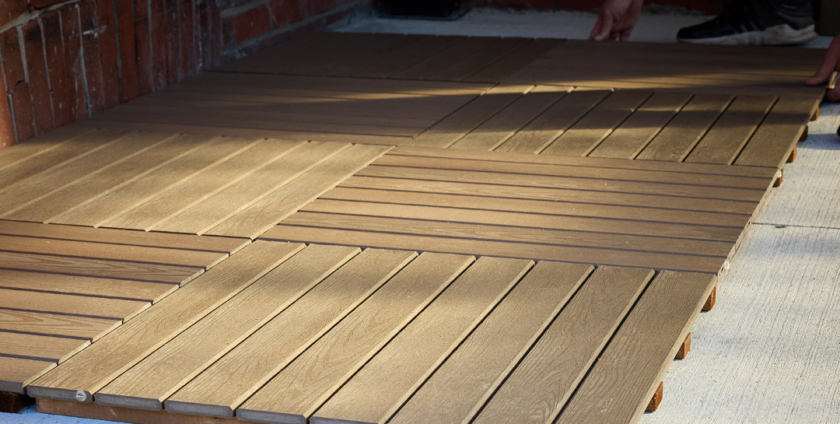
Would you like to browse our deck tile products and accessories?
Stepping out onto a raw concrete condo balcony is one of the quiet disappointments of urban living. You bought the unit for the view, and then every time you go outside you are standing on a slab that looks more like a parking garage than a living space. The good news: you do not need to renovate, apply for permits, or fight with your condo board to fix it. You can cover an ugly concrete balcony in a single afternoon with the right interlocking deck tiles, and take the whole thing with you if you ever move.
This guide walks through every realistic option to cover a concrete condo balcony, what each one costs, and what to avoid.
Why concrete balconies look so bad in the first place?
Concrete balconies are built as structural slabs, not finished surfaces. They are poured quickly, designed to drain water, and usually sloped a little so water runs off the edge. Over time they pick up staining, efflorescence, hairline cracks, and the general grey dullness that comes from sun and weather. Nothing is wrong with the slab — it is just ugly. That is why covering it, rather than resurfacing it, is almost always the right move.
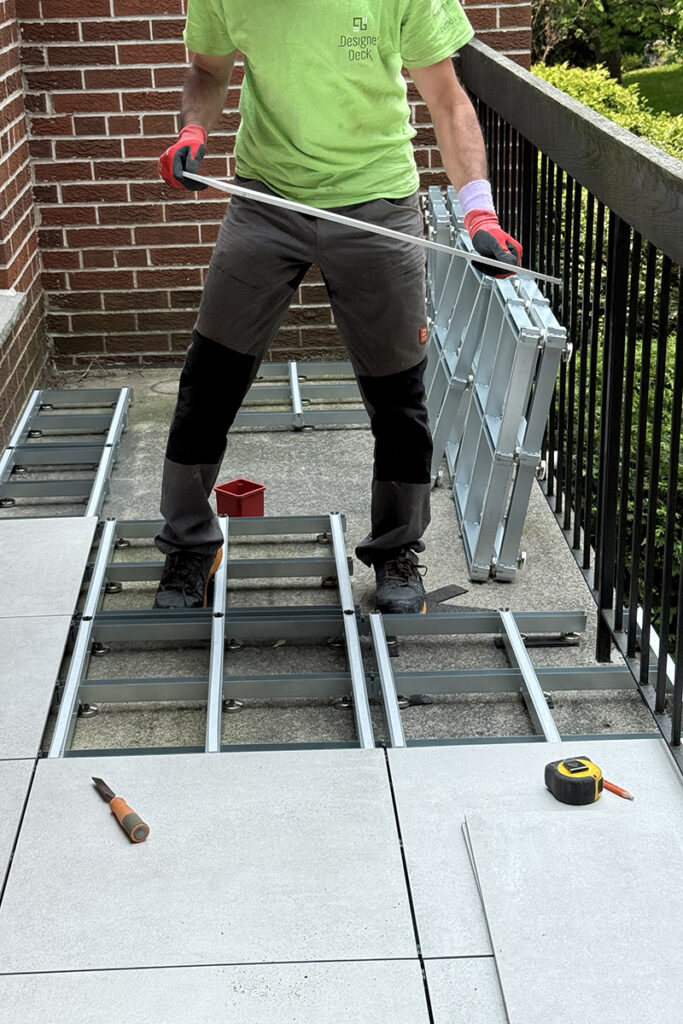
Option 1: Interlocking deck tiles (best for most people)
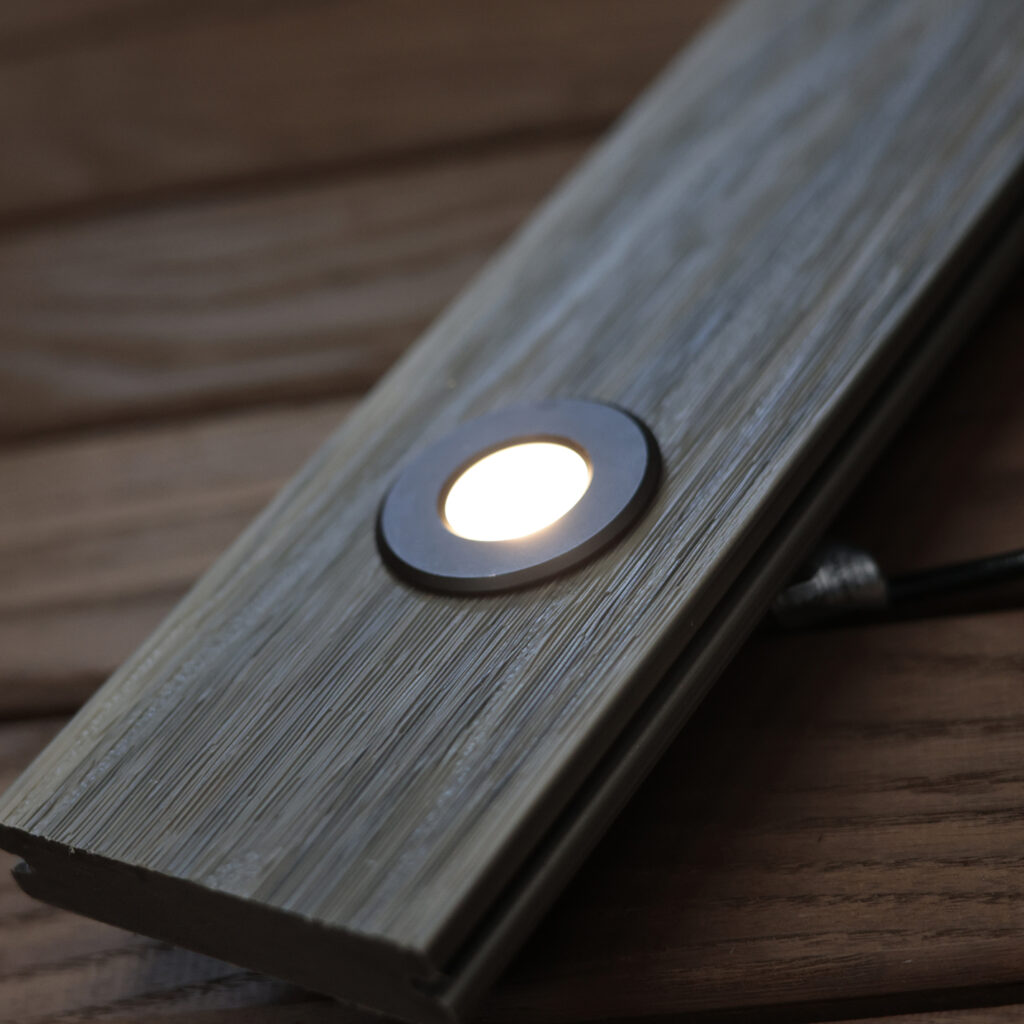
Interlocking deck tiles are the fastest, cleanest way to cover a concrete balcony. They snap together on a plastic or rubber base, sit on top of the existing slab, and require no glue, nails, or permits. You can install a typical Toronto condo balcony in a few hours. Because the tiles sit on small risers, water drains freely underneath — which means no puddling, no mold, and no damage to the slab below.
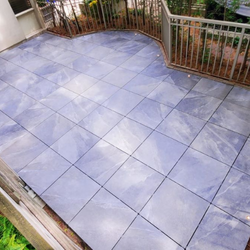
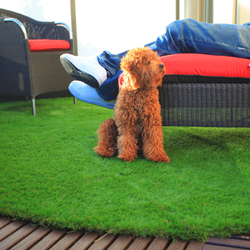
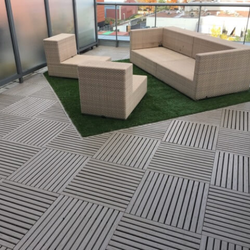
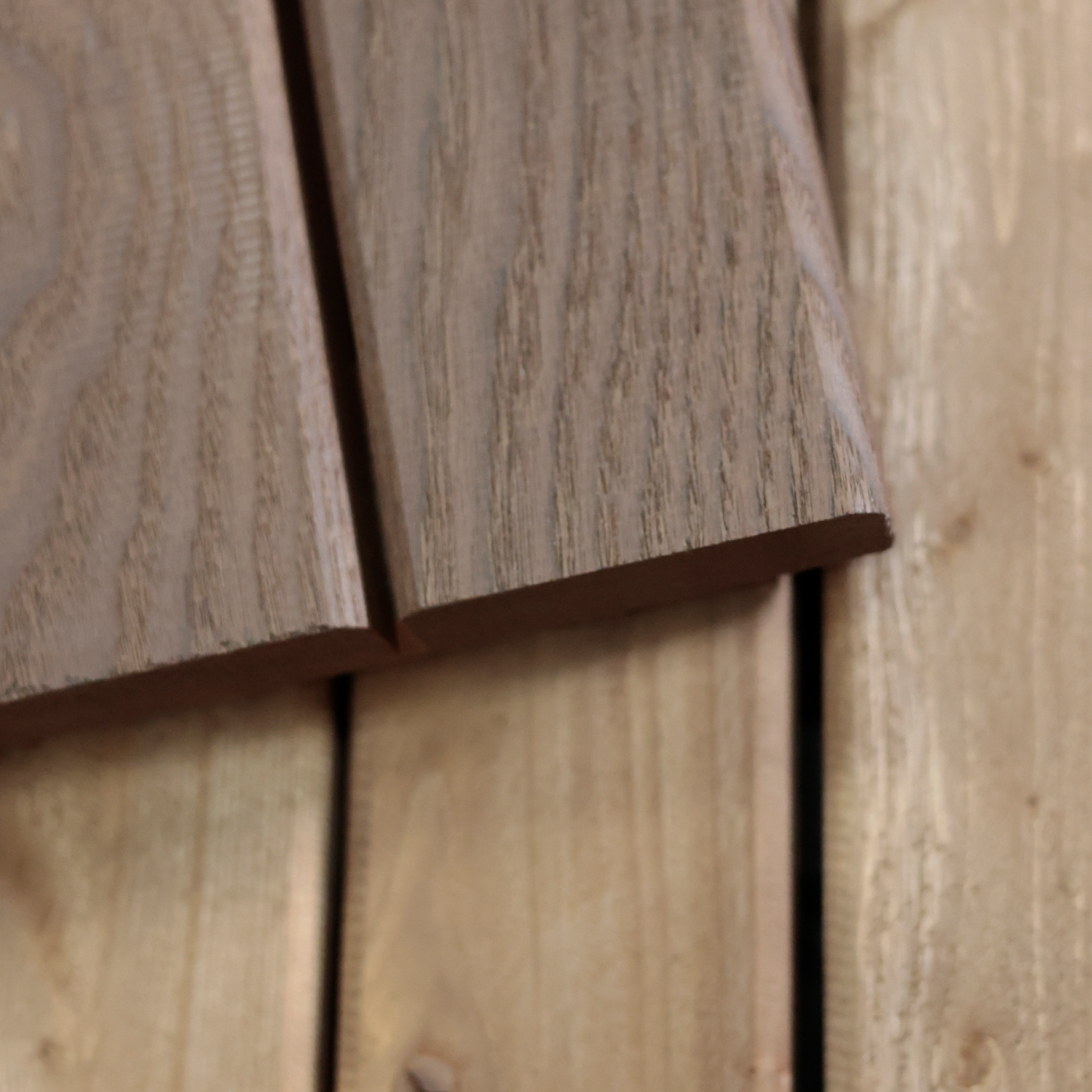
This is the approach Designer Deck has refined since 1983, when engineer Barry Spiers founded the company to solve exactly this problem for Canadian climates. Our tiles come in porcelain, wood-plastic composite, recycled plastic, pressure-treated wood, Western red cedar, and even synthetic grass inserts — so you can match any design style.
Option 2: Outdoor rugs (temporary and cheap)
Outdoor rugs are the cheapest option and they hide a lot of ugliness for a season or two. They are also the most frustrating choice long term. Rugs trap moisture against the concrete, stain the slab underneath, grow mildew in humid Toronto summers, and blow around in high-rise wind. If you live above the tenth floor, skip this entirely. If you rent, it can work as a summer-only fix.
Option 3: Epoxy or concrete paint (permanent and risky)
Concrete paint and epoxy coatings look great for about twelve months. Then the freeze-thaw cycle that Canadian winters put concrete balconies through tears them apart. Cracks, peeling, and bubbling are normal. Worse, most condo buildings prohibit applying coatings to the balcony slab because it can interfere with the waterproof membrane. Check your condo documents before you even consider this.
Option 4: Wood decking built on top (overkill for a balcony)
A framed wood deck on top of a concrete balcony works, but it is almost always too much. Framing takes up vertical space, requires fasteners (most condo boards forbid penetrating the slab), and is difficult to remove. For a small condo balcony, this is using a sledgehammer to hang a picture.
What to check before you start?
A few things to verify with your condo corporation and building management before any project:
- Weight restrictions on your balcony slab (most tiles are well within limits)
- Whether the condo declaration restricts balcony appearance (colour, style)
- Whether drainage paths need to remain clear
- Any window-washing anchor points or hatches that need access
With interlocking deck tiles, you almost never run into a condo board issue because nothing is permanent and nothing penetrates the slab. That is the main reason ACMO-member condo corporations across Ontario have approved Designer Deck installations for decades.
What the finished result looks like?
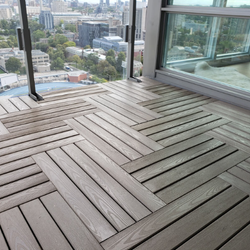
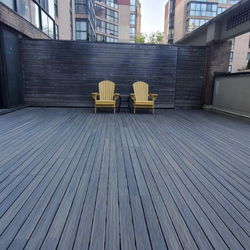
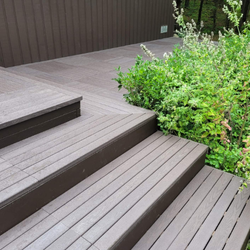
The difference between a raw concrete condo balcony and one finished with quality deck tiles is the difference between a parking spot and a patio. Suddenly the space has warmth, texture, and an obvious purpose. Furniture looks right. You actually want to sit out there.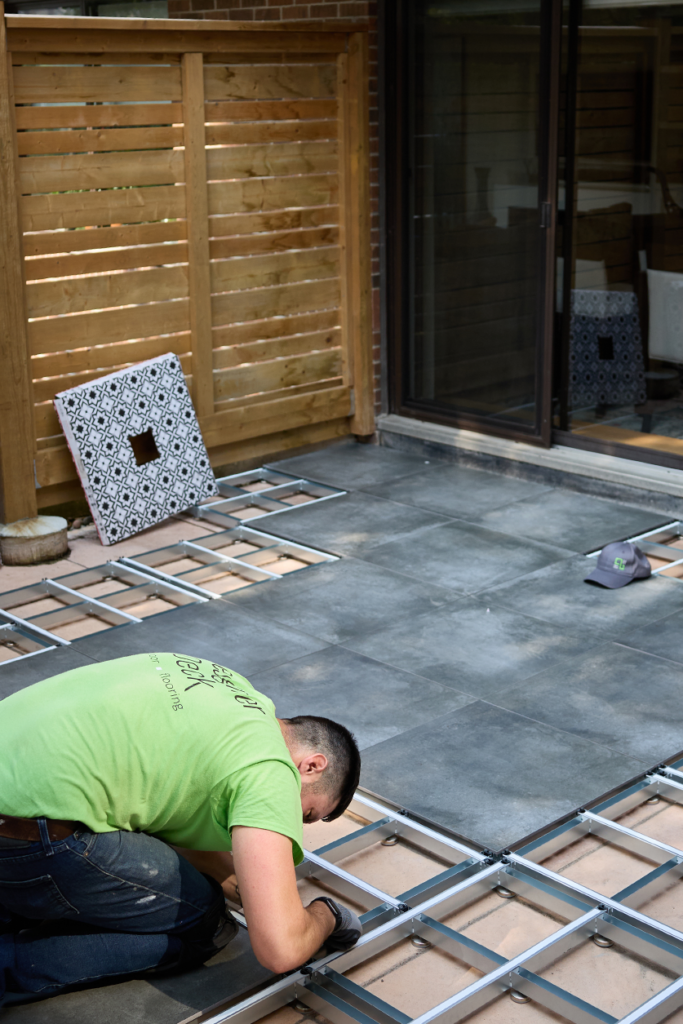
How much does it cost?
Costs vary by product and square footage. Budget options in recycled plastic or pressure-treated wood come in lower, while porcelain and hardwood finishes sit at the premium end. For an accurate number on your specific balcony, Designer Deck offers free in-home consultations across Ontario.
Frequently asked questions
Ques: Do I need condo board approval for deck tiles?
Ans: In most cases, no — because the tiles are not permanent and do not penetrate the slab. But always check your condo declaration and building rules first. Designer Deck has worked with hundreds of ACMO-member condo corporations across Ontario.
Ques: Can I take the tiles with me when I move?
Ans: Yes. Because interlocking deck tiles are not glued or fastened to the slab, they lift out as easily as they went in. Many clients relocate their deck tiles to a new balcony or patio.
Ques: Will deck tiles damage the concrete underneath?
Ans: No. Quality interlocking tiles sit on risers that allow water to drain freely. This actually protects the slab better than leaving it exposed to pooling water.
Ques: How long does installation take?
Ans: A typical Toronto condo balcony is completed in a single afternoon. Designer Deck professional installers handle cuts around railings, drains, and fixed objects.