Would you like to browse our deck tile products and accessories?
Canadian winters are the real durability test for any outdoor flooring. Temperatures that swing from +5 to -15 in a single week, freeze-thaw cycles that run 40+ times a year, ice dams, salt, and the weight of packed snow — these are the conditions that destroy lower-quality outdoor products and separate real quality from marketing fluff.
Here is an honest look at which deck tile materials actually hold up in Canadian conditions, what winter does to outdoor flooring, and what to avoid.
What Freeze-thaw Actually Does?
When water gets into a crack, crevice, or porous material and freezes, it expands by about 9%. That expansion pushes the material apart, widening the gap. When it thaws, more water gets in. Then it freezes again. Cycle after cycle, the damage compounds.
This is why concrete balconies that were smooth 20 years ago now have visible cracks and spalling. It is also why lower-quality outdoor products that look fine in summer show significant wear by spring.
What Winter Does To Different Materials?
1. Untreated wood: Cycles between wet and frozen. Fibres swell and contract. Surface cracks develop within one or two winters. Requires constant maintenance to look acceptable.
2. Lower-end plastic tiles from big-box stores: Most are made from virgin plastic without UV inhibitors and without freeze-thaw engineering. They tend to become brittle in cold weather and can fade or crack within the first year.
3. Concrete coatings (epoxy, paint): Bond fine until water finds a gap. Then freeze-thaw lifts the coating away from the concrete, resulting in peeling and bubbling. Usually fails within one or two winters.
4. Outdoor rugs: Trap moisture against the concrete underneath. Accelerate spalling. By spring, the rug is mildewed and the slab is damaged.
5. Quality interlocking deck tiles: Engineered specifically for freeze-thaw. Designer Deck products — porcelain, WPC, recycled plastic, pressure-treated wood — are engineered specifically for Canadian conditions. The integrated riser system keeps water flowing instead of pooling, which means less water is available to freeze in the first place.
How Each Designer Deck Product Handles Winter?
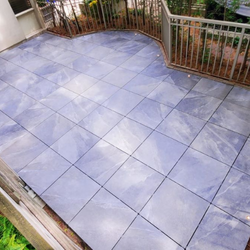
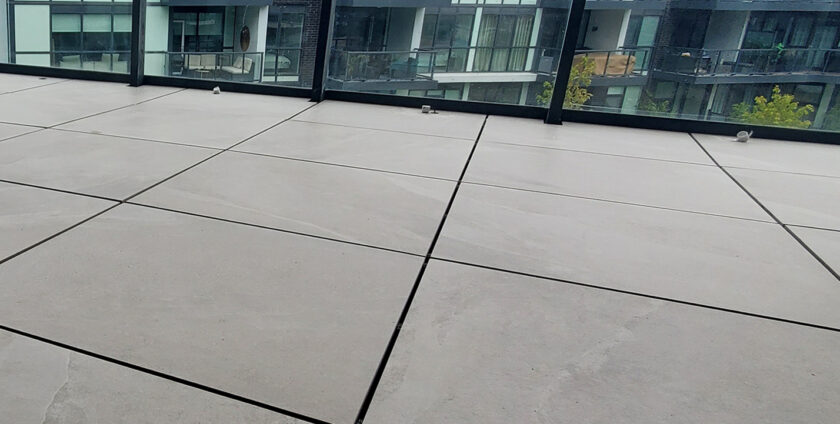
1.Porcelain (premium): The most inert of any outdoor flooring material. Porcelain does not absorb water, does not crack from freeze-thaw, and does not fade from UV exposure. A porcelain rooftop will look the same in 20 years as it does today.
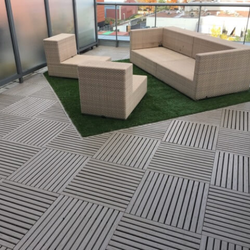
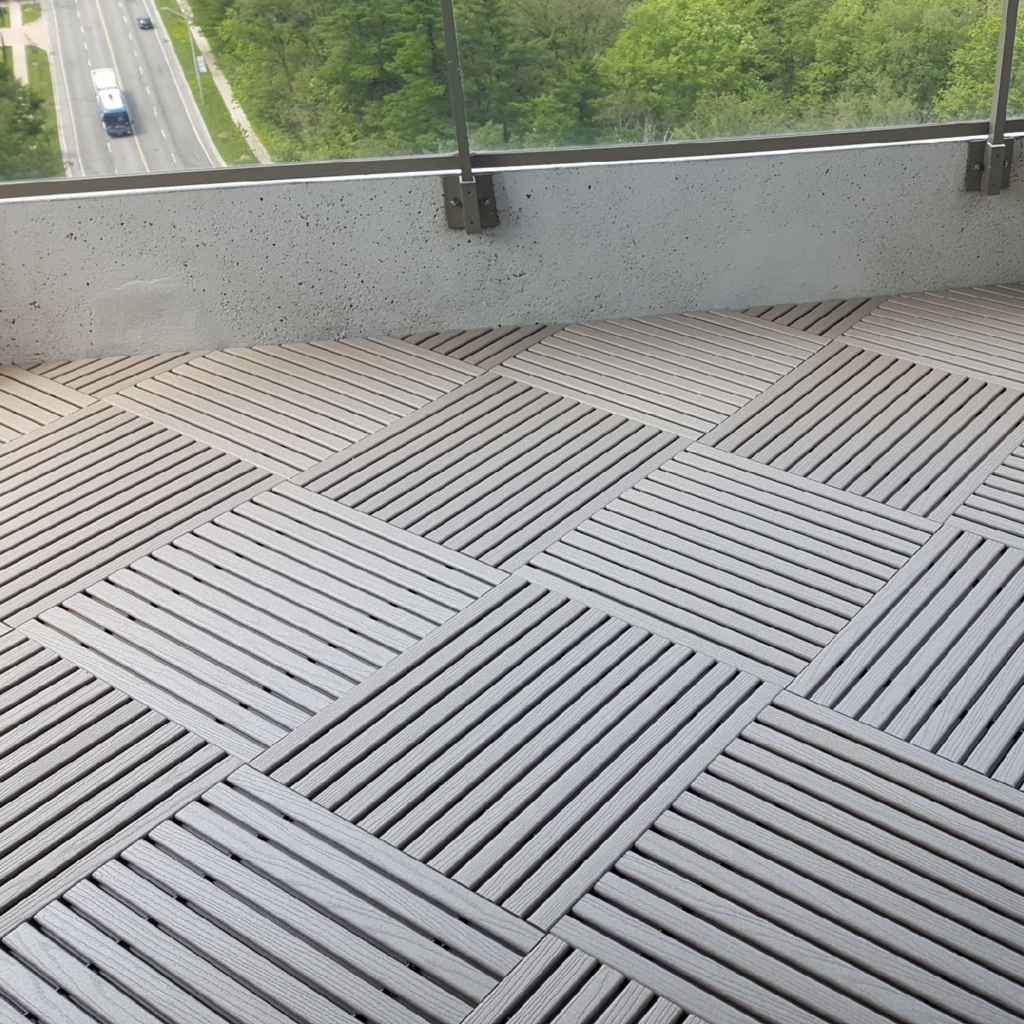
2. WPC (mid-range): Wood-plastic composite handles Canadian winters very well. Core material is stable. Cut edges need to be properly sealed during installation to prevent moisture infiltration over many winters — something quality installers handle as a standard.
3. Recycled plastic (budget-friendly): Surprisingly durable in winter. 100% plastic has no fibres for water to penetrate, so freeze-thaw has nothing to damage. UV inhibitors protect against the rest of the year. Mold-proof because there is no organic material.
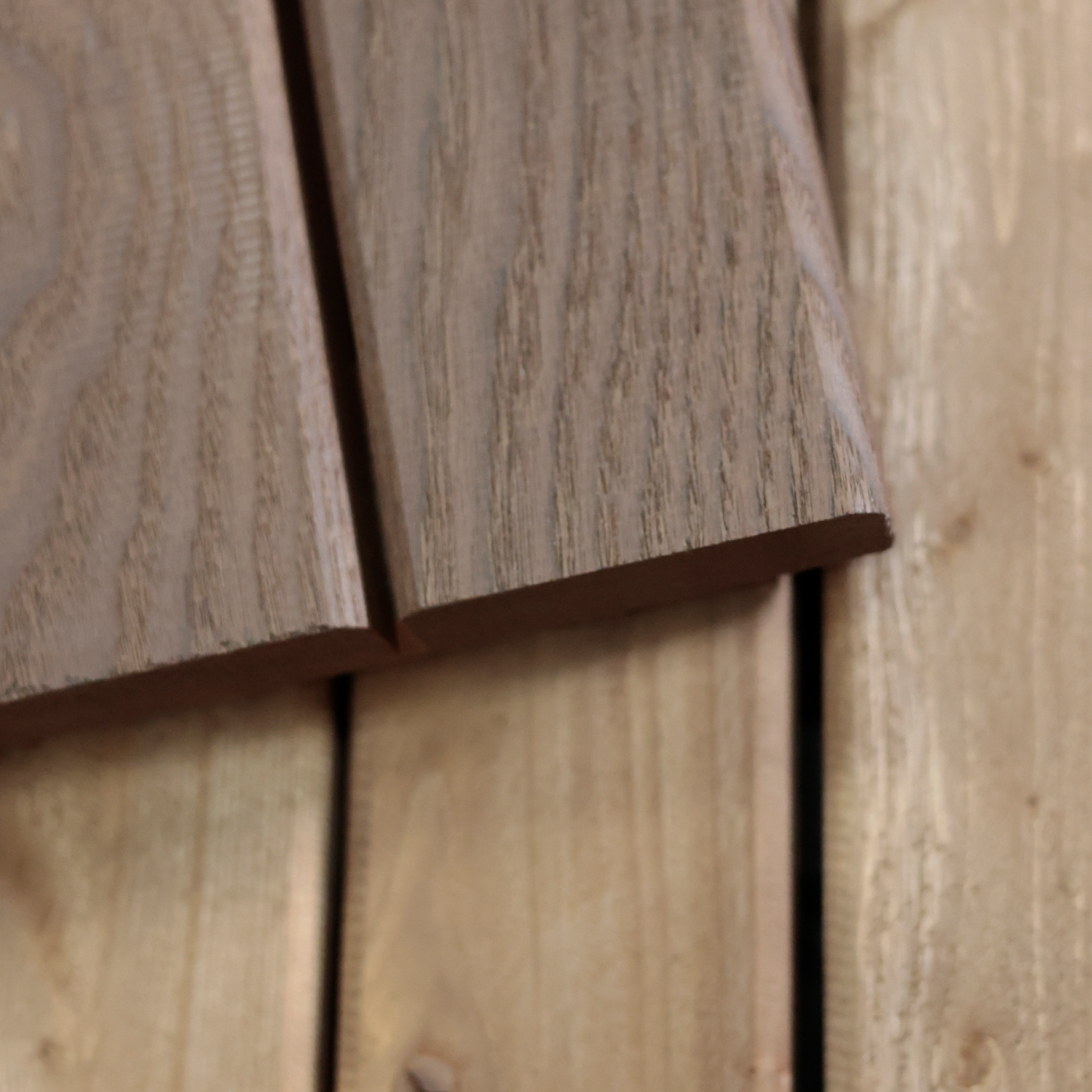
4. Pressure-treated and cedar wood: Natural wood tiles from Designer Deck are pressure-treated or cedar, both of which are engineered to handle Canadian weather. Western red cedar in particular has natural oils that resist water absorption.
What You Should Do In Winter (And What You Should Not)?
Safe and recommended:
- Let snow sit on the tiles — it does not damage them
- Use a plastic or rubber-edged shovel to clear heavy snow if needed
- Sweep off excess buildup around drainage paths
- Use pet-safe ice melt if needed (standard calcium chloride is also fine on all our products)
Avoid:
- Metal shovels that can scratch the surface
- Rock salt in large quantities directly on wood tiles (can accelerate aging)
- Chipping at ice with sharp tools
Lifespan Expectations
With proper installation and minimal care, all Designer Deck products are engineered to last for decades in Canadian conditions. Specific warranty terms vary by product line.
Frequently Asked Questions
Ques: Can I leave deck tiles outside year-round?
Ans: Yes. All Designer Deck products are engineered for year-round installation. There is no need to remove or store them in winter.
Ques: Will snow shovelling damage the tiles?
Ans: A plastic or rubber-edged snow shovel is safe on all Designer Deck surfaces. Avoid metal-edged shovels, especially on porcelain.
Ques: Do the tiles get slippery when icy?
Ans: Any outdoor surface can become slippery with ice. Textured surfaces (WPC wood-grain, recycled plastic wood-grain) provide more grip than smooth porcelain. Pet-safe ice melt is compatible with all our products.
Ques: What happens if a tile cracks in winter?
Ans: Because tiles interlock individually, a damaged tile can be replaced without disturbing the rest of the installation. This is one of the main advantages of modular deck tiles over monolithic flooring.