Would you like to browse our deck tile products and accessories?
Every property manager in Ontario deals with the same request on a regular basis: a resident wants to modify their balcony. Sometimes it’s a planter box, sometimes it’s a barbecue, sometimes it’s outdoor flooring. Some requests are simple to approve. Others create real building-envelope risk.
This guide walks through what property managers should approve, what should be declined, and how to structure an approval process that protects the building without unnecessarily blocking reasonable requests.
The Three Questions to Ask About Any Balcony Modification
Before approving any balcony modification, ask three questions. First: does it penetrate the slab or membrane? If yes, decline. Second: is it fully removable without residue or damage? If no, decline. Third: does it add unreasonable weight or drainage obstruction? If yes, request an engineer’s assessment.
Applying these three filters consistently eliminates 90% of the risk associated with balcony modifications. Anything that passes all three tests is generally safe to approve.
What’s Typically Safe to Approve
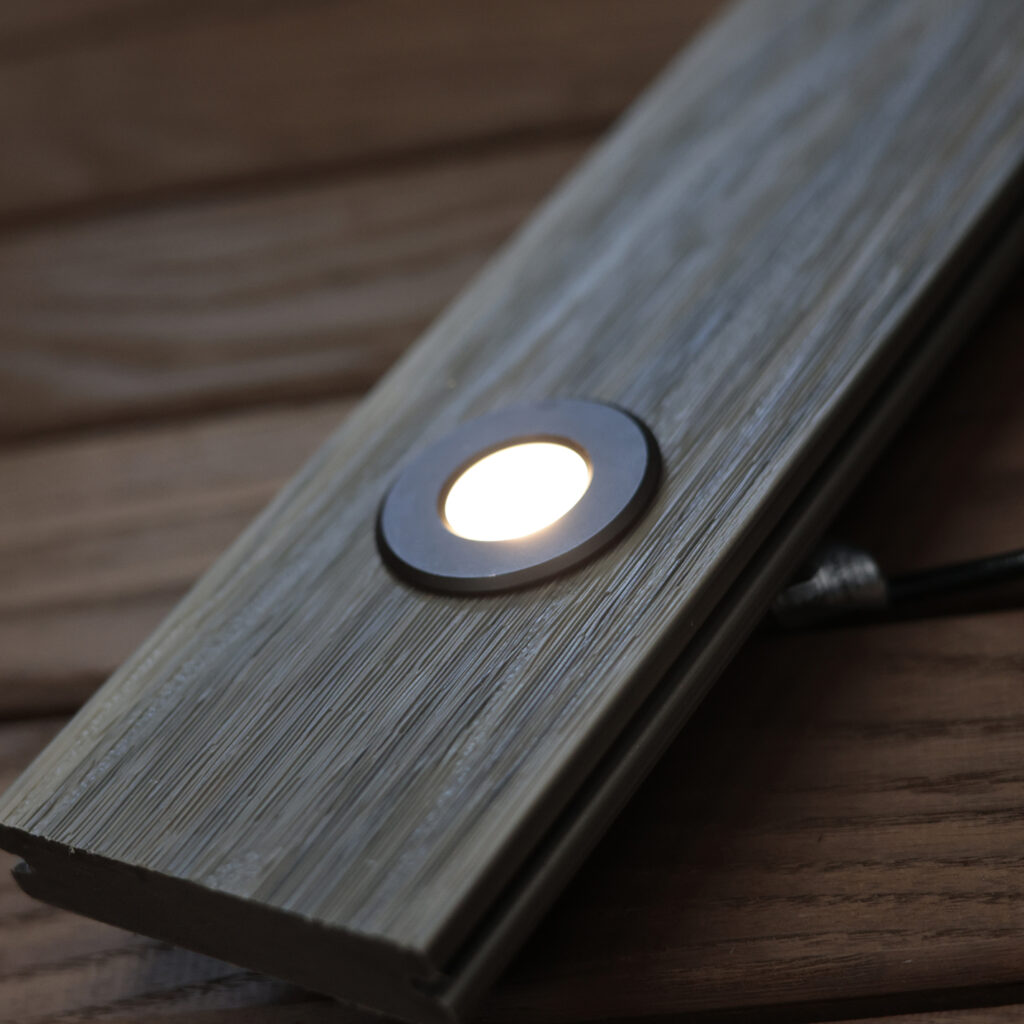
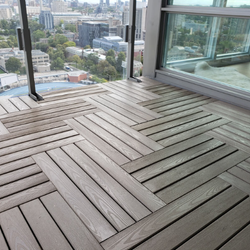
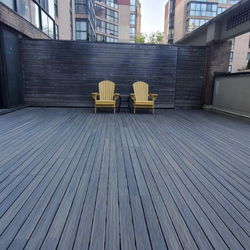
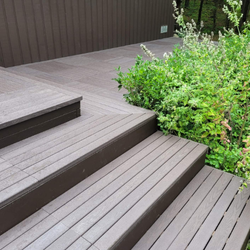
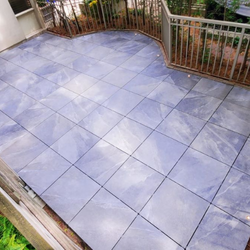
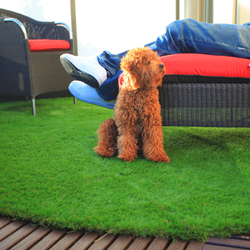
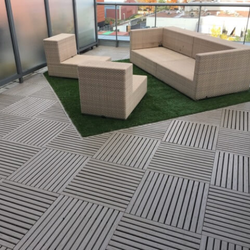
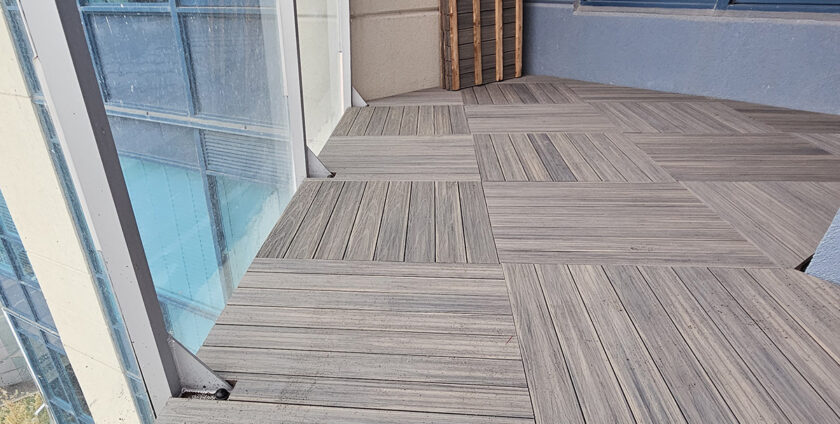
Interlocking deck tiles that sit on the slab without fasteners (like Designer Deck’s Vivid, Contour, and Opulent lines) — safe to approve. Standard planter boxes with drainage saucers — safe to approve. Freestanding furniture, umbrellas, and lighting — safe to approve. Barbecues (subject to any building-specific fire safety rules) — usually safe to approve.
For consistency, some condo corporations maintain a pre-approved product list. Designer Deck is an ACMO Associate Member, which makes it easy to add their product line to this kind of standardized approval list with proper documentation.
What Should Generally Be Declined
Anything requiring fasteners into the slab or membrane — decline. Anything requiring adhesives — decline. Structural additions (pergolas, screens, walls) without engineered plans — decline pending engineering review. Modifications that block existing drainage — decline. Anything that could damage the building envelope or exterior finish — decline.
Being consistent about declines protects both the corporation and the individual owners. Precedent matters: approving something risky for one unit makes it harder to decline the same request from another unit later.
Frequently Asked Questions
Ques: Do owners need condo board approval for outdoor flooring?
Ans: In most Ontario condo corporations, owners need approval for any balcony modification. Products that are non-penetrating and fully removable (like Designer Deck) are typically approved quickly, sometimes under a standing pre-approval list.
Ques: What documentation should we require from suppliers?
Ans: Require product specifications, installation method documentation, warranty information, and evidence that the product does not require fasteners or adhesives. As an ACMO Associate Member, Designer Deck provides standardized documentation packages.
Ques: How can property managers reduce the volume of alteration requests?
Ans: Publishing a standing pre-approval list for common items (like Designer Deck interlocking tiles) eliminates most one-off requests and reduces admin workload.